
Wholesale Tires in the Middle East: A Comprehensive Buying Guide


The Middle East is a dynamic market with unique considerations when it comes to purchasing wholesale tires. Whether you are a retailer or a fleet manager, understanding the intricacies of this market can significantly impact your business success.
Understanding the Market
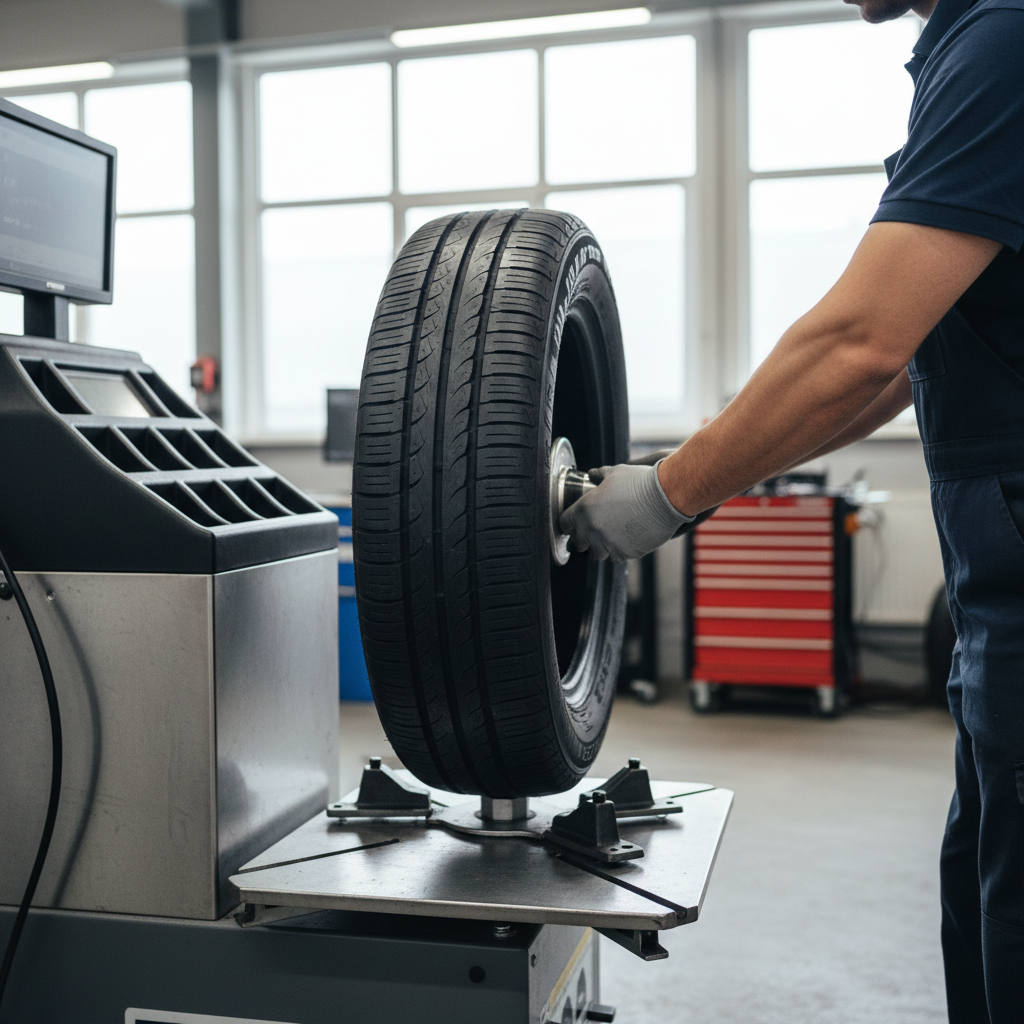
The demand for tires in the Middle East is influenced by several factors such as climate, terrain, and economic activities. The region's harsh temperatures and diverse landscapes make tire durability and performance crucial.
Key Factors to Consider
When purchasing wholesale tires in the Middle East, it's important to consider the following factors:
- Climate: High temperatures require tires that can withstand heat and provide strong traction.
- Terrain: From deserts to urban roads, choose tires that suit specific environments.
- Regulations: Stay informed about local laws and standards for tire imports and sales.
Types of Tires Available
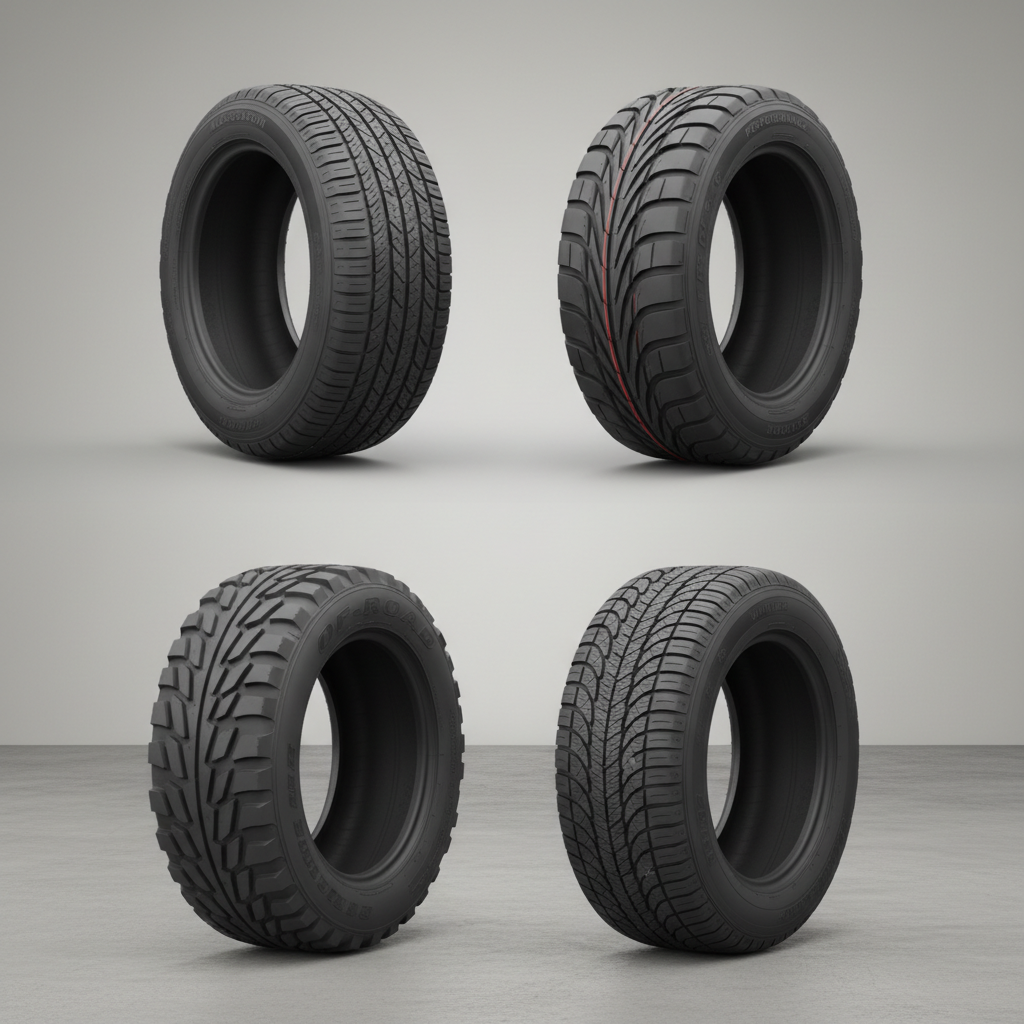
Understanding the different types of tires available can help you make informed decisions:
Passenger Car Tires
These are designed for comfort and fuel efficiency, suitable for city driving and highways.
Commercial Vehicle Tires
Built for durability and load-bearing, these tires are ideal for trucks and buses operating in varied conditions.
Finding Reliable Suppliers
Partnering with reputable suppliers is essential for ensuring quality and reliability. Consider the following steps:
- Research potential suppliers' reputations and track records.
- Request samples to evaluate the quality firsthand.
- Negotiate terms that fit your business needs and ensure timely deliveries.
Building Long-term Relationships
Establishing long-term relationships with suppliers can offer benefits such as better pricing, priority service, and valuable insights into market trends.
Logistics and Distribution
Efficient logistics and distribution are key to maintaining a steady supply chain. Consider the following logistics elements:
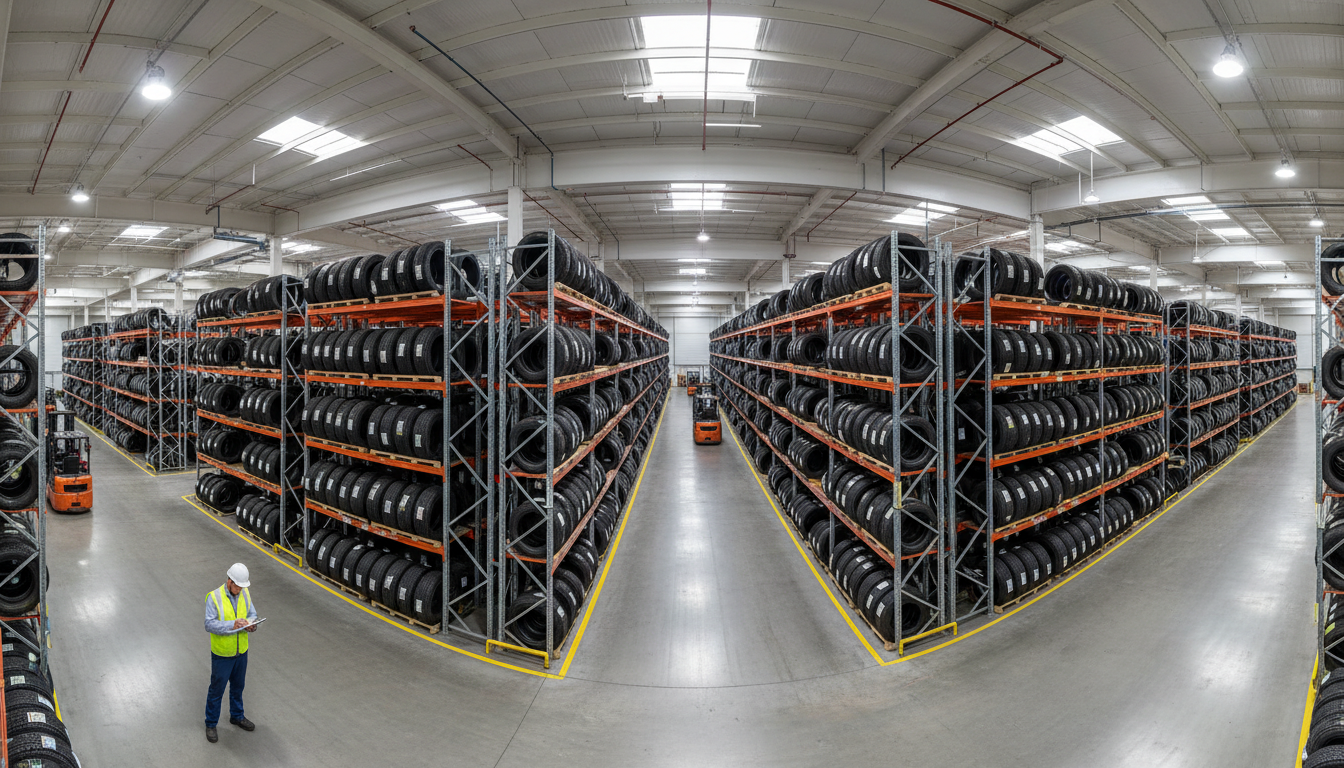
- Warehousing: Ensure adequate storage facilities to handle bulk orders.
- Transportation: Choose reliable logistics partners to handle regional deliveries.
By understanding the unique aspects of the Middle Eastern tire market and selecting the right products and partners, businesses can optimize their operations and achieve lasting success in this competitive landscape.