
Understanding the Tire Distribution Network in the Middle East: Key Insights


Introduction to the Tire Distribution Network
The tire distribution network in the Middle East plays a crucial role in ensuring that vehicles across the region run smoothly and efficiently. Understanding this network provides insights into the logistics, challenges, and opportunities that define the industry. With a growing demand due to increasing vehicle ownership, the distribution network has evolved to meet these needs.
Key Players in the Tire Distribution Network
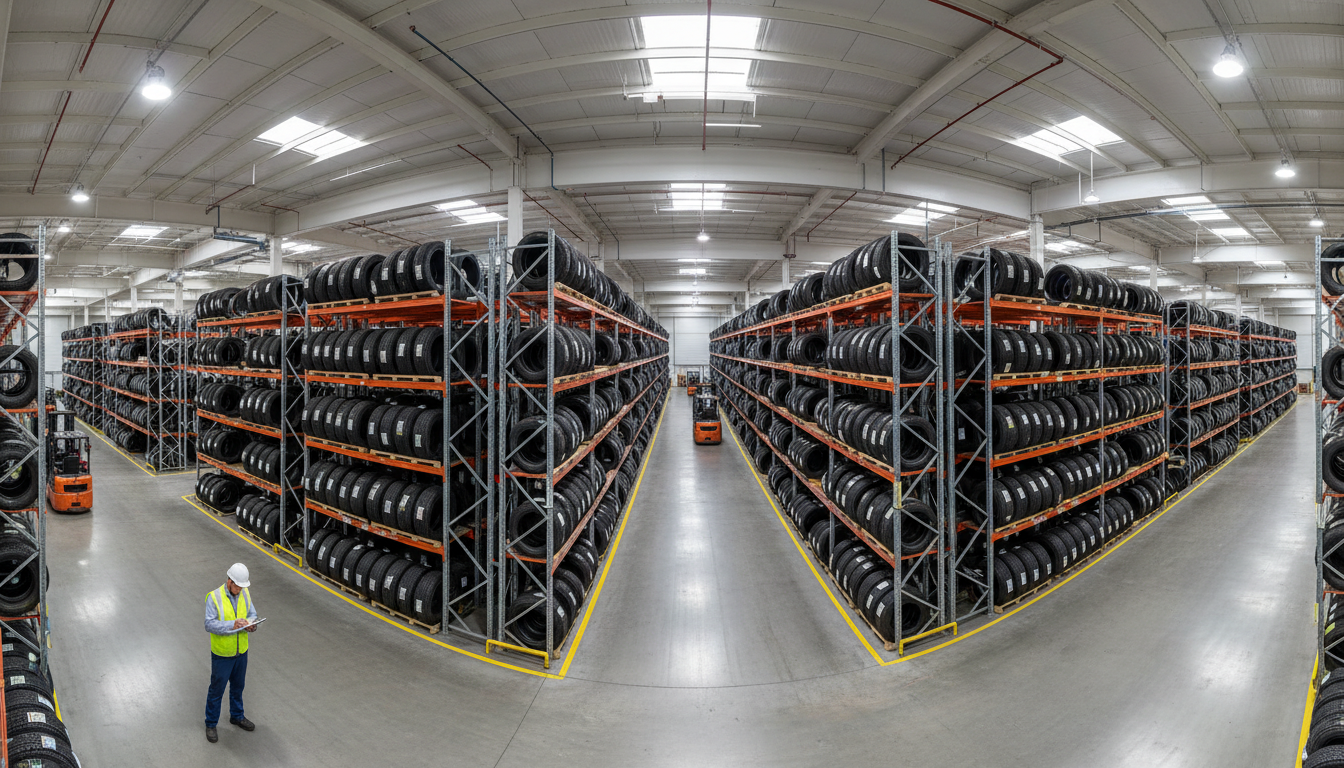
The tire distribution network comprises several key players, including manufacturers, wholesalers, retailers, and logistics companies. Manufacturers are responsible for producing tires to meet diverse requirements, while wholesalers act as intermediaries, purchasing in bulk and supplying to retailers. Retailers then provide tires directly to consumers or service centers.
Logistics companies ensure the timely and efficient movement of tires from manufacturers to end consumers. They play a pivotal role in managing the supply chain and addressing complex logistical challenges that arise due to the region’s geography.
Challenges in the Distribution Network
Several challenges impact the tire distribution network in the Middle East. These include fluctuating oil prices, which affect transportation costs, and varying road conditions that influence tire demand. Additionally, geopolitical factors can disrupt supply chains, necessitating agile and adaptable strategies.
Another challenge is the regulatory landscape, which varies across countries in the region. Compliance with different standards and regulations requires meticulous planning and execution.
Opportunities for Growth
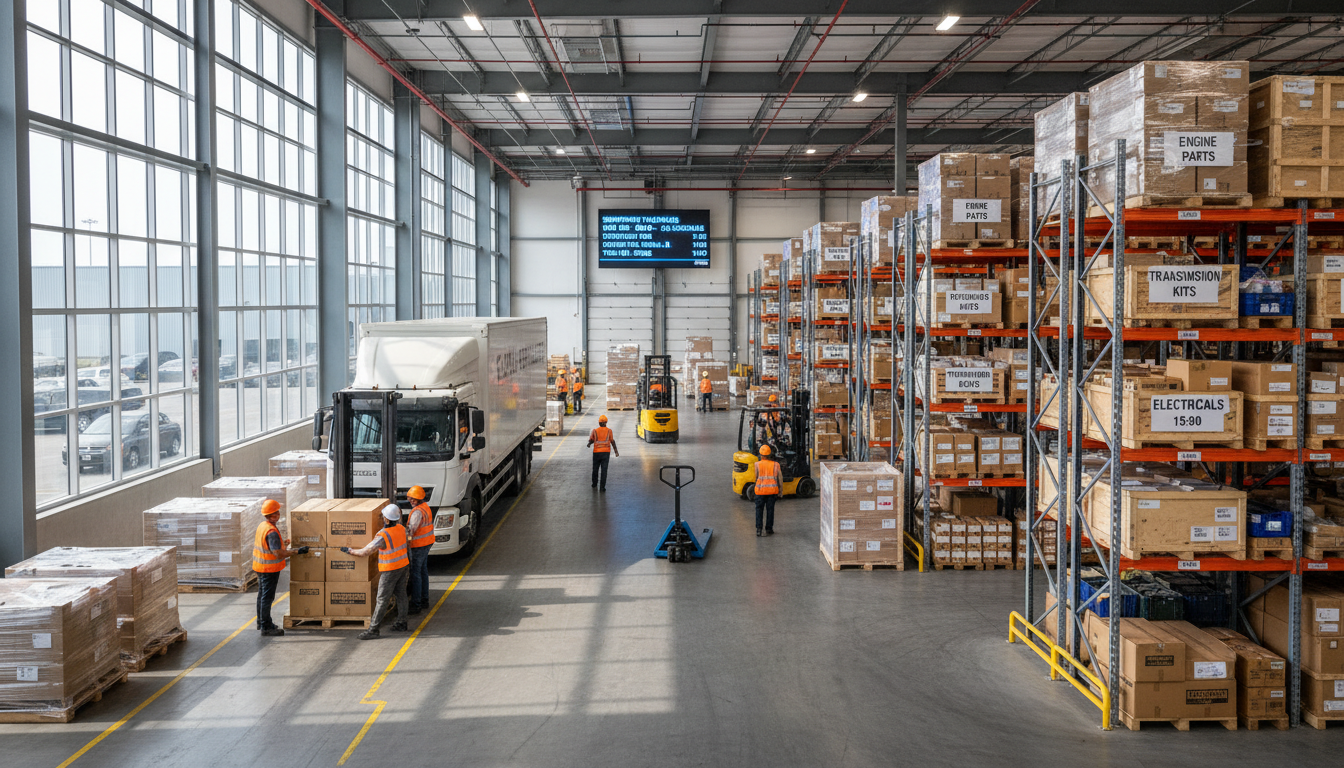
Despite the challenges, there are numerous opportunities for growth within the tire distribution network. The rise of e-commerce has opened new avenues for retailers to reach customers directly. This shift necessitates innovative logistics solutions to handle increased delivery demands.
Moreover, the growing trend towards sustainability presents opportunities for eco-friendly tire options. Manufacturers and distributors that prioritize green practices can tap into a niche market that is gaining traction among environmentally conscious consumers.
Technological Advancements
Technology plays a critical role in enhancing the efficiency of the tire distribution network. Innovations such as warehouse automation, real-time tracking systems, and data analytics are transforming how businesses operate. These technologies enable better inventory management, reducing costs and improving service delivery.

The Future of Tire Distribution
The future of tire distribution in the Middle East looks promising, with continued investment in infrastructure and technology expected to drive growth. Collaborative efforts among stakeholders, including manufacturers, distributors, and governments, will be essential to overcoming challenges and capitalizing on opportunities.
By embracing innovation and sustainability, the tire distribution network can not only meet current demands but also adapt to future changes in the automotive industry.