
Understanding the Tire Distribution Network in the Middle East


Introduction to the Tire Distribution Network
The tire distribution network in the Middle East is a complex and dynamic system, essential for the region's booming automotive industry. Understanding how this network operates can provide insights into market trends, logistics, and business opportunities. From the manufacturers to the end consumers, each step in the distribution process plays a critical role in ensuring that quality tires are available where and when they are needed.
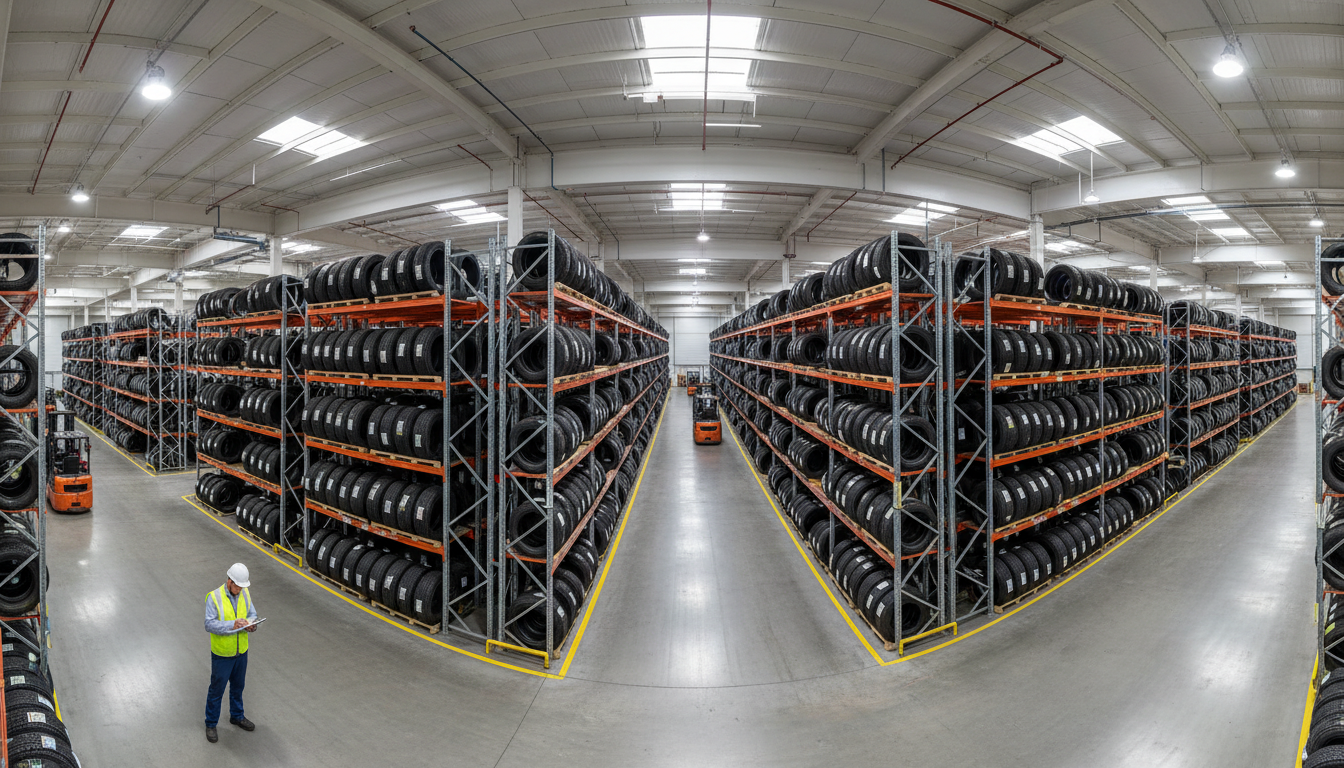
Key Players in the Network
The tire distribution network involves several key players, each contributing to the seamless flow of products. These include:
- Manufacturers: They produce a wide range of tires tailored to various vehicles and conditions.
- Distributors: Acting as intermediaries, they bridge the gap between manufacturers and retailers.
- Retailers: They provide the final link to consumers, offering both direct sales and installation services.
Logistics and Infrastructure
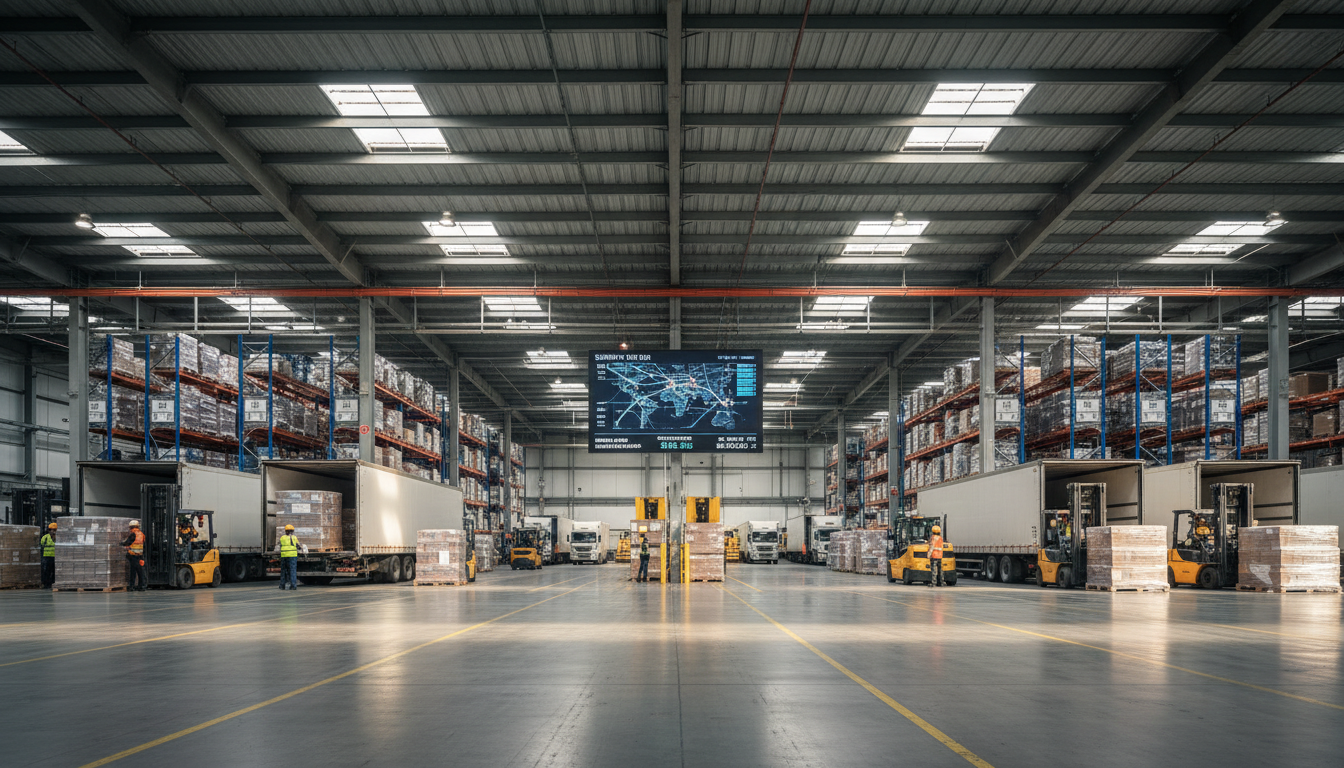
Efficient logistics and robust infrastructure are vital for the distribution network. The Middle East has invested heavily in transportation and warehousing facilities to support the distribution process. Ports, highways, and storage facilities are strategically located to optimize delivery times and reduce costs. This infrastructure supports both domestic distribution and exports to neighboring regions.
Challenges in the Distribution Network
Despite its strengths, the tire distribution network faces several challenges. Fluctuating oil prices, political instability, and regulatory changes can impact the supply chain. Additionally, the harsh climate conditions in the region require specialized storage and handling practices to maintain tire quality. Addressing these challenges requires continuous adaptation and investment.
Technological Advancements
Technology is playing an increasingly important role in enhancing the efficiency of the tire distribution network. Advanced inventory management systems, real-time tracking, and automated warehouses are just a few innovations making a significant impact. These technologies help reduce delays and ensure that the right products reach the right destinations on time.

Market Trends and Consumer Preferences
Understanding consumer preferences is crucial for success in the tire distribution network. There is a growing demand for high-performance and eco-friendly tires, reflecting broader global trends. Distributors and retailers must stay attuned to these preferences and adapt their offerings accordingly. Marketing strategies are also evolving, with digital channels becoming increasingly important.
Conclusion
The tire distribution network in the Middle East is a vital component of the region's automotive industry. By understanding the key players, logistical considerations, challenges, and technological advancements, businesses can better navigate this complex landscape. As the market continues to grow, staying informed and adaptable will be essential for success.