
Understanding the Competitive Landscape of Tire Distribution in the Middle East


Introduction to the Tire Distribution Market
The tire distribution industry in the Middle East is a dynamic and evolving sector. With a rapidly growing market, understanding the competitive landscape is crucial for businesses looking to capitalize on opportunities. The region's unique geographical and economic conditions have given rise to diverse distribution channels and competitive strategies.
Key Players in the Market
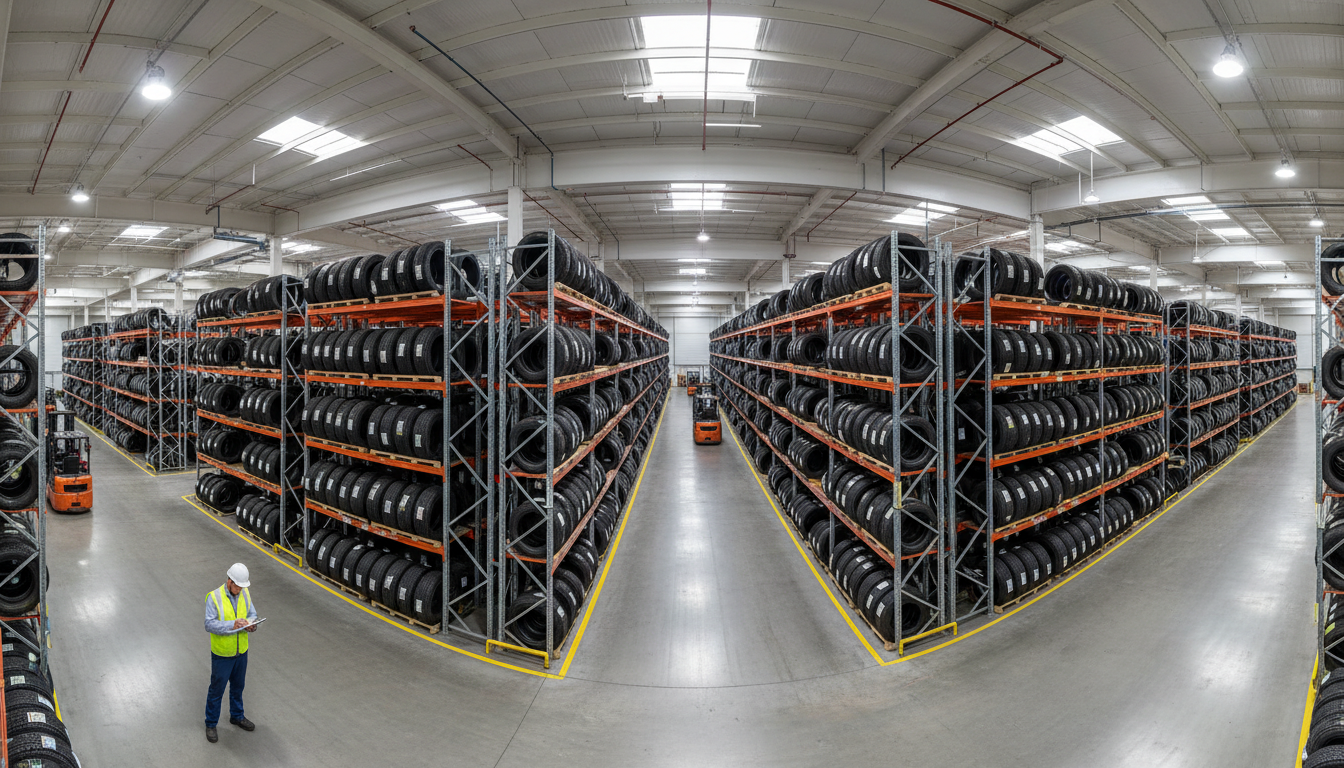
The tire distribution market in the Middle East is dominated by several key players, including multinational corporations and local businesses. These companies have established themselves through strong supply chains, strategic partnerships, and innovative marketing approaches. Some of the leading names in the industry include Bridgestone, Michelin, and Goodyear, while regional players like Al Dobowi and Nasser Bin Khaled & Sons also hold significant market shares.
Strategies for Success
To thrive in this competitive environment, companies must adopt effective strategies. These include:
- Building strong relationships with manufacturers and retailers.
- Investing in logistics and supply chain optimization.
- Utilizing digital platforms for marketing and sales.
- Diversifying product offerings to meet diverse customer needs.
Challenges in the Industry
Despite the growth potential, the tire distribution market in the Middle East faces several challenges. These include fluctuating oil prices, regulatory changes, and environmental concerns. Additionally, the increasing competition from e-commerce platforms poses a significant threat to traditional distribution models.

Adapting to Market Changes
Adapting to these changes requires agility and innovation. Companies must focus on sustainability, compliance with regulatory standards, and leveraging technology to enhance customer experience. Emphasizing green practices and offering eco-friendly products can also provide a competitive edge.
Regional Differences and Opportunities
The Middle East is not a monolithic market; it consists of various countries with distinct characteristics. Understanding regional differences is essential for successful market penetration. For instance, the Gulf Cooperation Council (GCC) countries have different economic conditions and consumer preferences compared to the Levant region or North Africa.

Exploring Emerging Markets
Emerging markets within the Middle East offer new opportunities for growth. Countries like Saudi Arabia and the United Arab Emirates are investing heavily in infrastructure, leading to increased demand for tires. Companies that can effectively navigate these emerging markets and tailor their strategies accordingly will likely succeed.
Conclusion
Understanding the competitive landscape of tire distribution in the Middle East requires a comprehensive approach. By recognizing the key players, adapting to challenges, and exploring regional opportunities, businesses can position themselves for success in this vibrant market. As the industry continues to evolve, staying informed and agile will be key to maintaining a competitive advantage.