
Understanding Local Regulations for Tire Distribution in Africa


Introduction to Tire Distribution Regulations in Africa
Understanding local regulations for tire distribution in Africa is crucial for businesses aiming to expand their operations on the continent. With diverse legal frameworks across different countries, companies must navigate a complex landscape to ensure compliance. This guide provides an overview of key regulatory considerations that tire distributors should keep in mind.
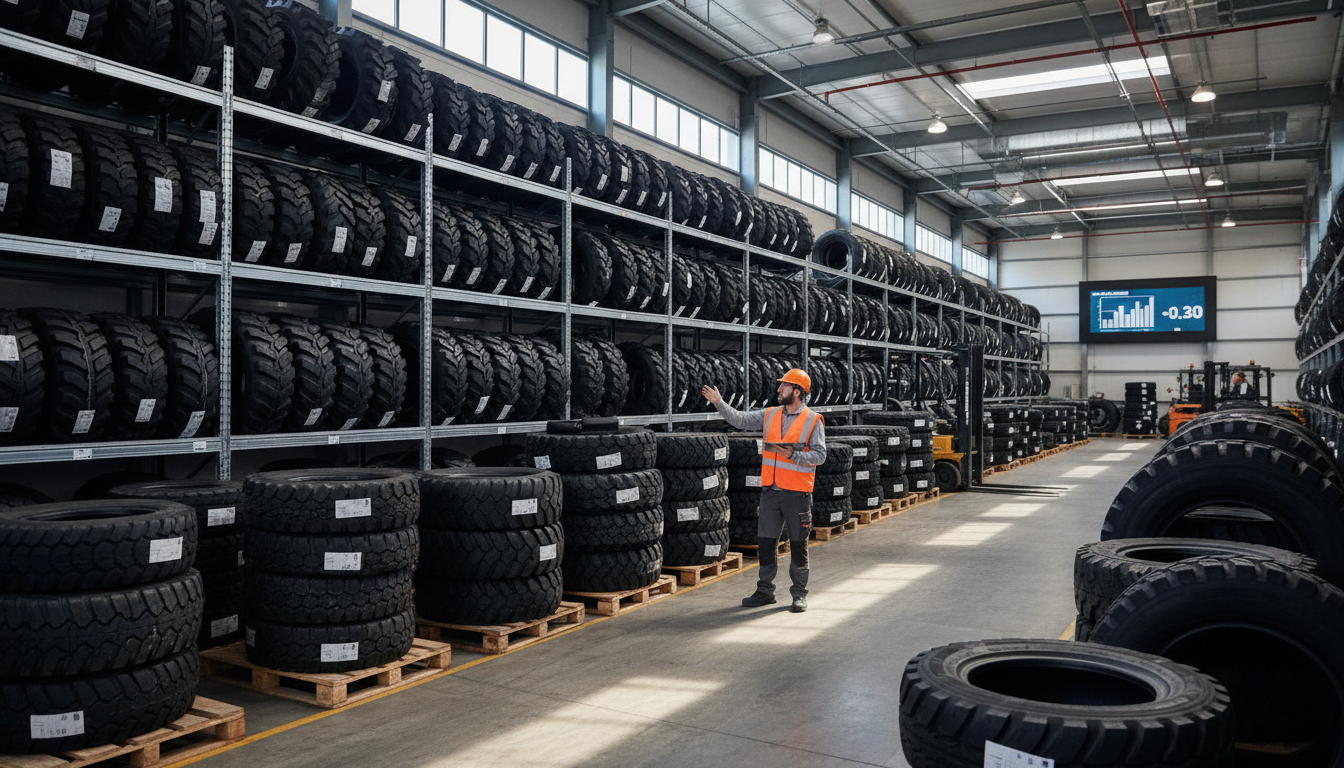
Regulatory Variations Across Countries
Africa is comprised of 54 countries, each with its own set of laws and regulations. While some regulations may be similar, many differ significantly. It is important for distributors to conduct thorough research or consult with local experts to understand the specific requirements in each market they enter.
Key areas of regulation often include import duties, safety standards, and environmental considerations. These factors can influence the cost and logistics of distribution, making it essential for businesses to be well-informed.
Import Duties and Taxes
Import duties and taxes can greatly affect the profitability of tire distribution in Africa. These charges vary by country and can include tariffs, value-added tax (VAT), and excise duties. Understanding these costs is crucial for pricing strategy and financial planning.

Distributors should also be aware of any trade agreements that may affect import duties. Some regions may have agreements that reduce or eliminate tariffs for certain goods, providing opportunities for cost savings.
Meeting Safety Standards
Safety standards are another critical aspect of tire distribution regulations. Countries may have specific requirements for tire performance, labeling, and testing. Complying with these standards is essential not only for legal reasons but also for maintaining brand reputation and customer trust.
Businesses should invest in quality assurance and testing processes to ensure their products meet or exceed local safety standards.

Environmental Regulations
As environmental concerns grow globally, many African countries are implementing regulations to address the environmental impact of tires. This can include requirements for recycling, disposal, and the use of eco-friendly materials.
Distributors should consider sustainable practices and technologies to align with these regulations and contribute to positive environmental outcomes.
Leveraging Local Expertise
Given the complexity of regulations across Africa, working with local partners or consultants can be invaluable. These experts can provide insights into the regulatory landscape and help navigate the bureaucratic processes involved in tire distribution.

Building relationships with local stakeholders can also facilitate smoother operations and foster goodwill within the community.
Conclusion: The Path to Compliance
Navigating the regulatory environment for tire distribution in Africa requires diligence and strategic planning. By understanding and adhering to local laws, businesses can minimize risks and capitalize on the opportunities presented by this dynamic market.
With careful preparation and the right partnerships, tire distributors can successfully expand their operations across the continent.