
The Ultimate Guide to Automotive Tires in the Middle East: What You Need to Know


Understanding Tire Types
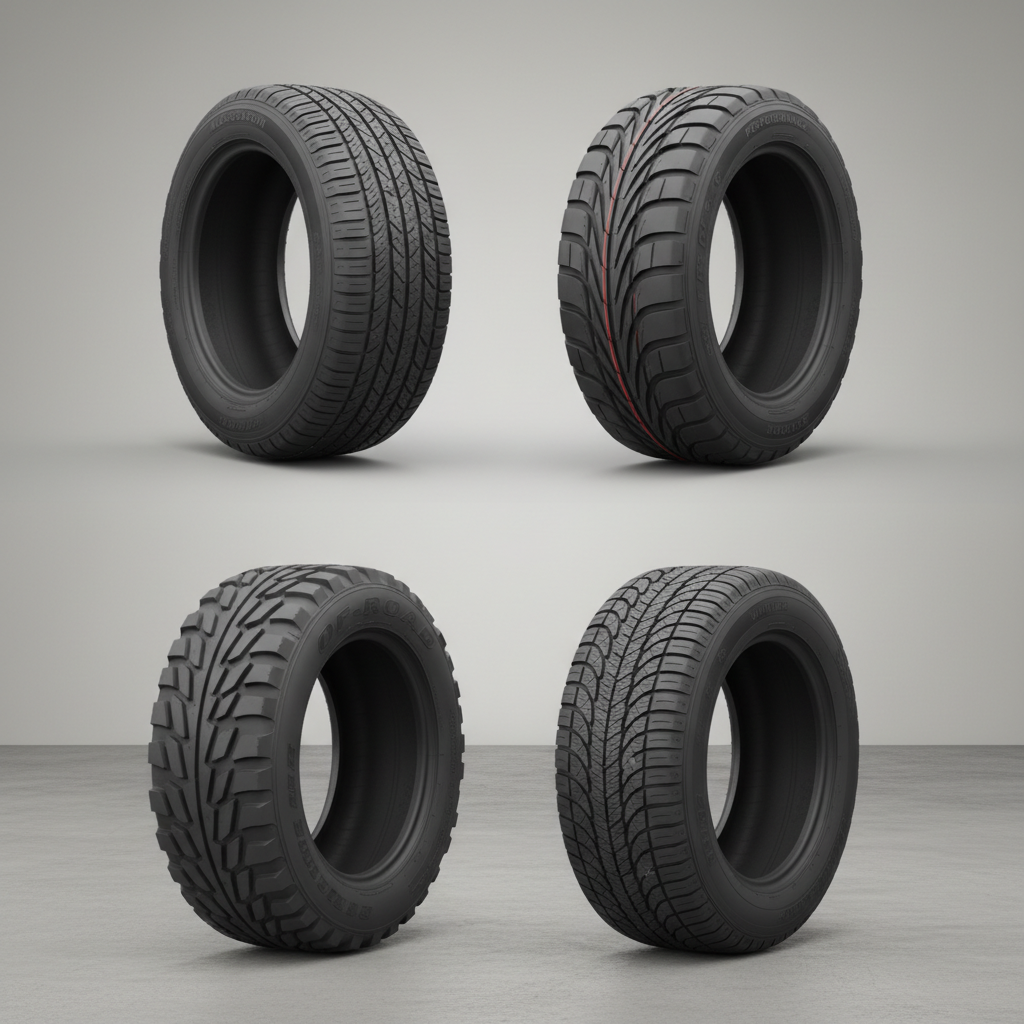
When it comes to automotive tires in the Middle East, selecting the right type is crucial due to the region's diverse terrain and climate. The primary types of tires include all-season, winter, and performance tires. All-season tires are versatile and suitable for a wide range of conditions, while winter tires are designed for colder climates, providing better traction on icy roads. Performance tires offer enhanced handling and speed capabilities, ideal for high-performance vehicles.
All-Terrain and Off-Road Tires
For those who frequently drive off the beaten path, all-terrain and off-road tires are essential. These tires are built to withstand rough conditions, making them perfect for desert driving and mountain trails. All-terrain tires are versatile, providing a balance between on-road comfort and off-road capability. In contrast, off-road tires are specifically designed for rugged terrains and may not perform as well on highways.
Climate Considerations
The Middle Eastern climate poses unique challenges for tire performance. High temperatures can lead to increased tire pressure and wear. It's essential to regularly check tire pressure and inspect for signs of damage. Heat-resistant tires are recommended, as they are designed to withstand the extreme temperatures common in the region.

Choosing the Right Size and Fit
Selecting the appropriate tire size is crucial for safety and performance. Consult your vehicle's manual or a professional to determine the correct size. An improperly fitted tire can lead to poor handling and increased fuel consumption. Ensure a proper fit by checking the tire’s diameter, width, and load rating against your vehicle’s specifications.
Maintenance Tips
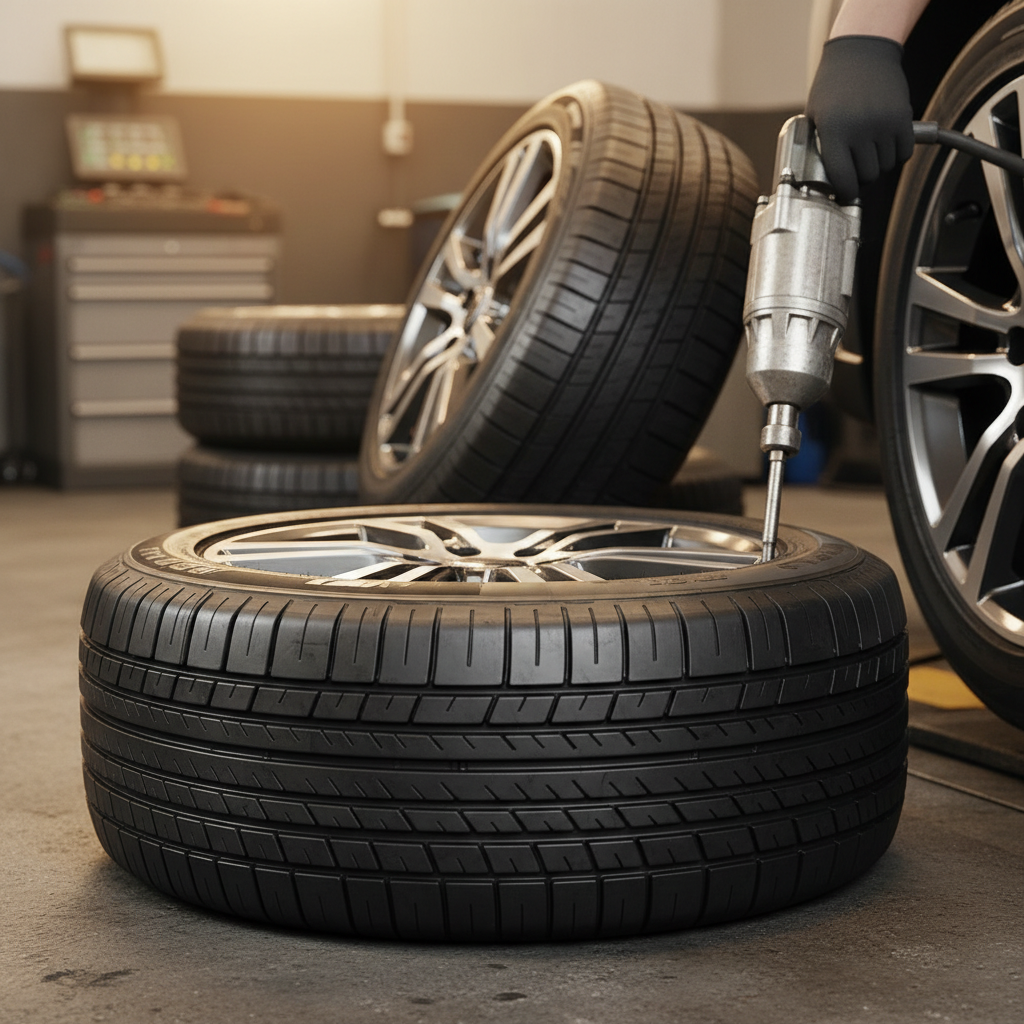
Regular maintenance extends the lifespan of your tires and improves safety. Key practices include:
- Regularly checking tire pressure: Under- or over-inflated tires can lead to uneven wear.
- Rotating tires every 10,000 km: This promotes even wear across all tires.
- Inspecting for damage: Look for punctures, cracks, or unusual wear patterns.
Understanding Tire Labels
Tire labels provide valuable information about their specifications and performance. Key elements to understand include the speed rating, which indicates the maximum speed a tire can safely maintain, and the load index, which shows the maximum weight the tire can support. Reading these labels helps you select the best tire for your driving needs and vehicle type.
Tire Safety and Legal Requirements
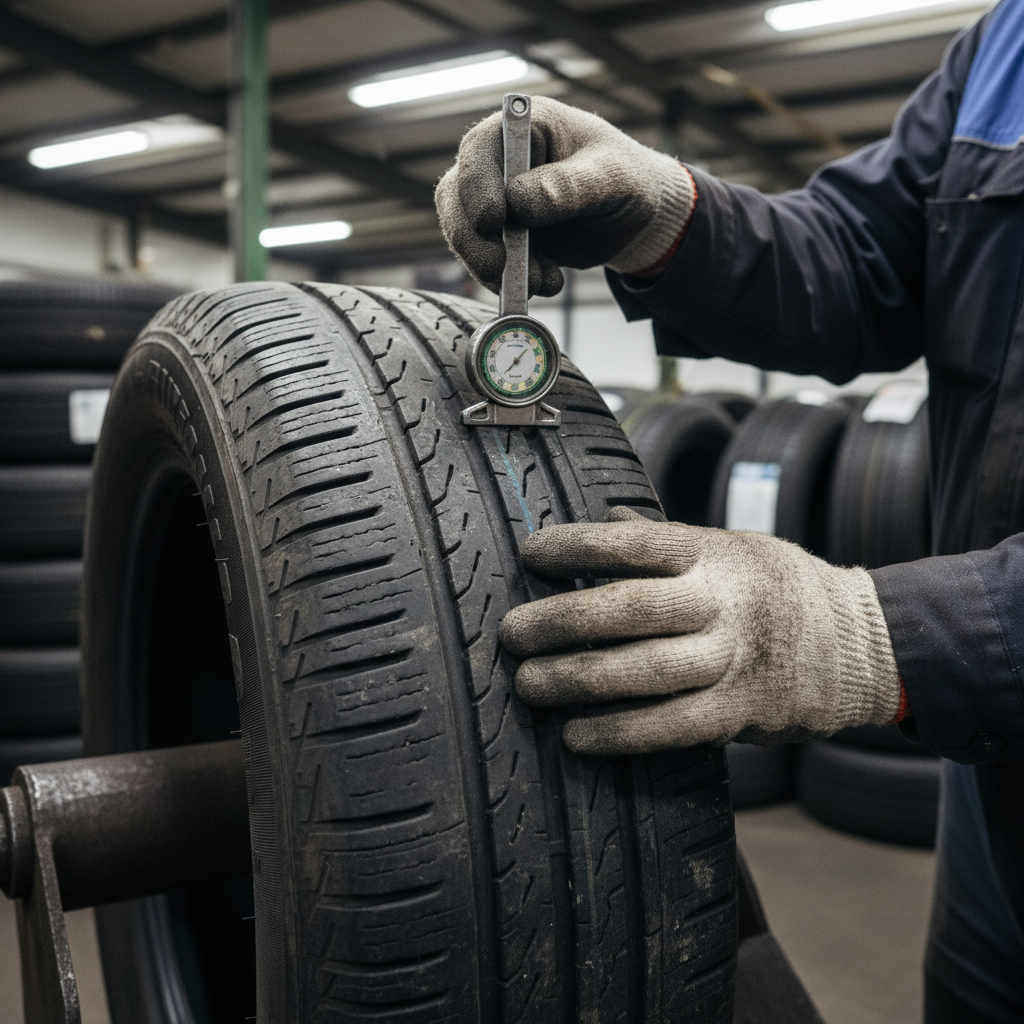
Tire safety is paramount, especially in challenging driving conditions. In the Middle East, adhering to local regulations regarding tire tread depth and condition is essential. Regular inspections by a professional can help ensure your tires meet safety standards and avoid legal penalties.
Environmental Impact
Choosing eco-friendly tires can reduce your environmental footprint. These tires are designed to improve fuel efficiency and reduce rolling resistance, leading to lower emissions. Consider sustainable options when purchasing new tires to contribute to a healthier planet.
By understanding the unique challenges and requirements of automotive tires in the Middle East, you can make informed decisions that enhance your vehicle's performance, safety, and efficiency. Regular maintenance and selecting the right tires for your driving conditions are key steps to ensure a smooth and safe driving experience.