
Preparing Your Vehicle for Harsh Desert Conditions: Tire Tips


Understanding the Challenges of Desert Driving
Driving in desert conditions presents unique challenges that require special attention to your vehicle's tires. The intense heat and rugged terrain can quickly wear down tires, making them more susceptible to damage. It's essential to prepare your vehicle properly to ensure a safe journey across the desert landscape.

Choosing the Right Tires
Selecting the right tires is the first step in preparing for desert conditions. Look for tires designed specifically for off-road or all-terrain use. These tires typically have thicker sidewalls and deeper treads, providing better traction and resistance to punctures. Investing in quality tires can save you from unexpected breakdowns in the middle of nowhere.
Maintaining Proper Tire Pressure
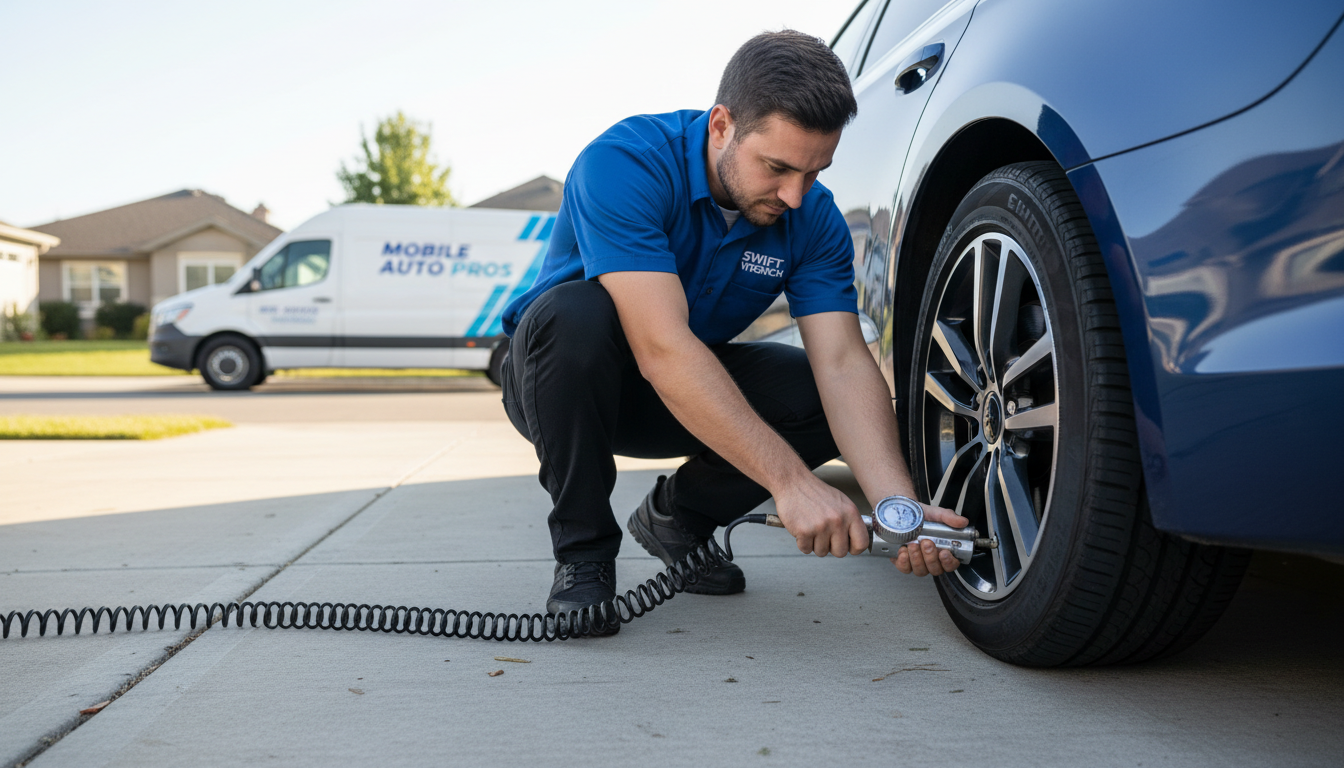
Maintaining the correct tire pressure is crucial when driving in the desert. Overinflated or underinflated tires can lead to uneven wear and increase the risk of a blowout. Check your tire pressure frequently, especially before heading into the desert. Always follow the manufacturer's recommended pressure levels.
Regular Tire Inspections
Regular tire inspections are vital for safe desert driving. Before embarking on a trip, inspect your tires for any signs of damage, such as cuts, cracks, or bulges. Ensure that the tread depth is adequate for off-road conditions. Early detection of potential issues can prevent more severe problems down the road.
Carrying a Spare Tire and Repair Kit
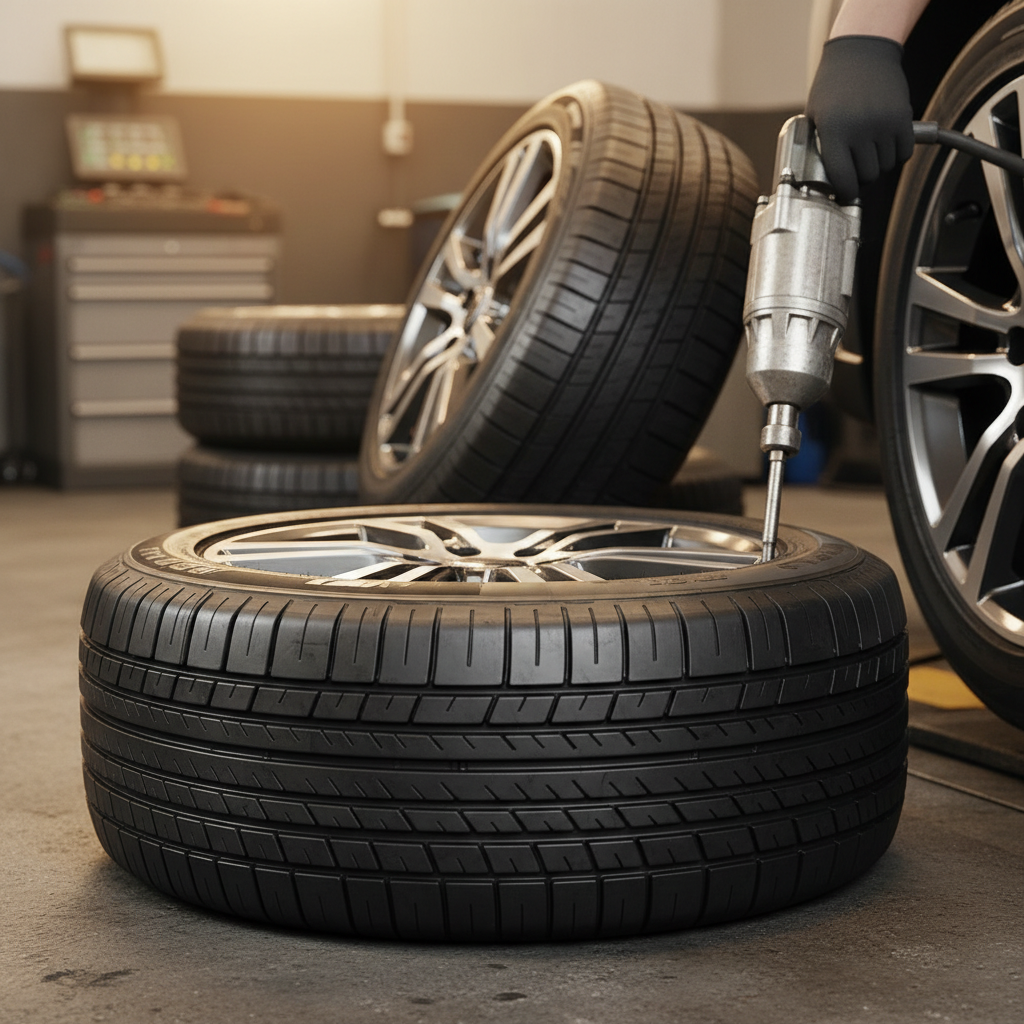
Always carry a spare tire and a repair kit when traveling through the desert. A flat tire can happen at any time, and being prepared can make all the difference. Familiarize yourself with the process of changing a tire and using a repair kit. Having these essentials on hand provides peace of mind during your journey.
Adjusting Driving Techniques
Your driving technique also plays a significant role in tire performance in the desert. Avoid sudden braking and sharp turns, which can strain your tires. Drive at moderate speeds and be mindful of the terrain. Sand, rocks, and other obstacles require controlled and cautious navigation.
Monitoring Tire Temperature
In extreme desert heat, tire temperatures can rise quickly, affecting performance and safety. If you have the tools, regularly monitor tire temperature during long journeys. If they become too hot, take a break to let them cool down. This simple practice can prevent unnecessary tire wear and blowouts.
Conclusion
Preparing your vehicle for harsh desert conditions involves more than just choosing the right tires. It's about ongoing maintenance, careful driving, and being prepared for emergencies. By following these tire tips, you can ensure a safer and more enjoyable desert adventure.