
Preparing Your Fleet for Seasonal Changes: A Tire Checklist


As the seasons change, preparing your fleet for the varying weather conditions is crucial to maintaining safety and performance. One of the most important aspects of this preparation is ensuring your tires are in optimal condition. Here is a comprehensive tire checklist to help you get started.
Inspecting Tire Tread Depth
Tire tread depth is essential for maintaining traction, especially in wet or icy conditions. To check the tread depth, use a tread depth gauge or the penny test. Insert a penny into the tread with Lincoln’s head facing down. If you can see the top of his head, it’s time to replace the tires.
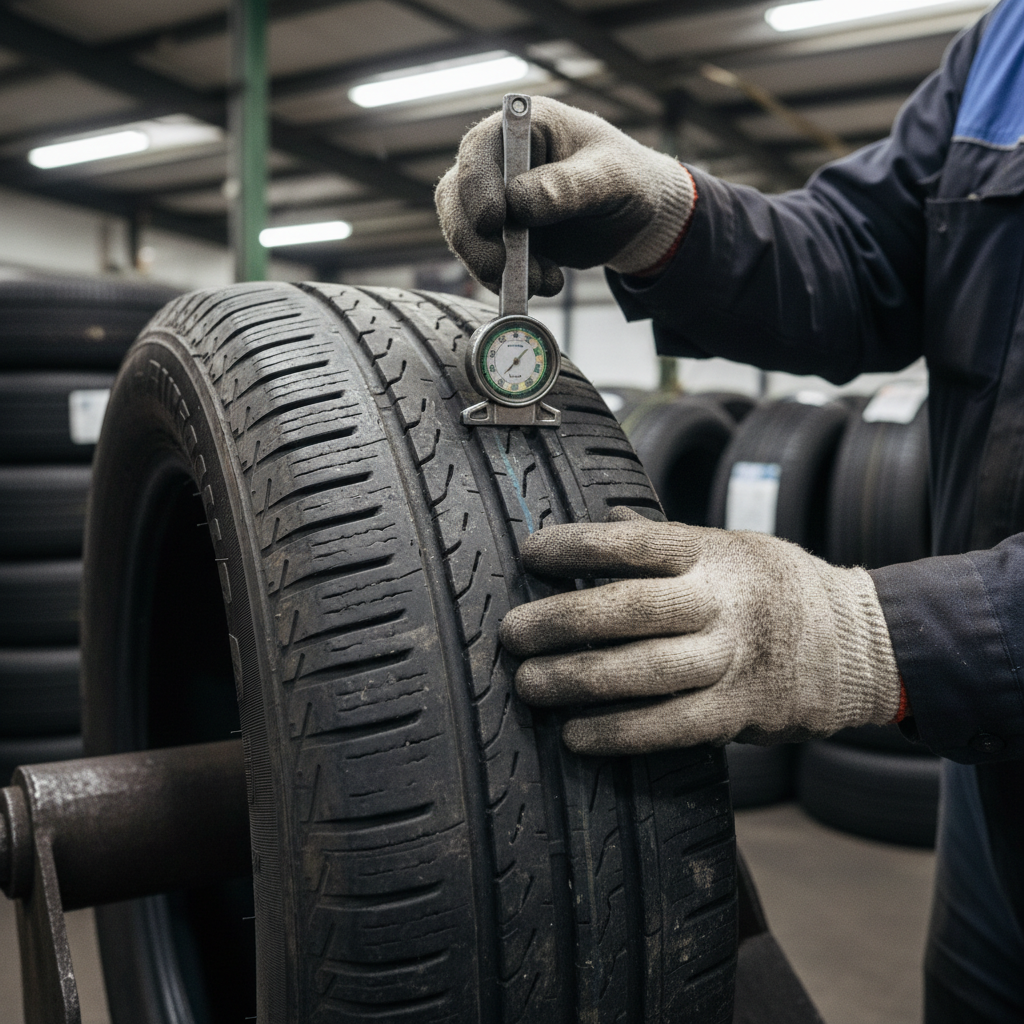
Regularly inspecting tread depth can prevent accidents and ensure your fleet is ready for any weather. Keep in mind that different regions may have specific legal requirements for minimum tread depth, so always stay informed about local regulations.
Checking Tire Pressure
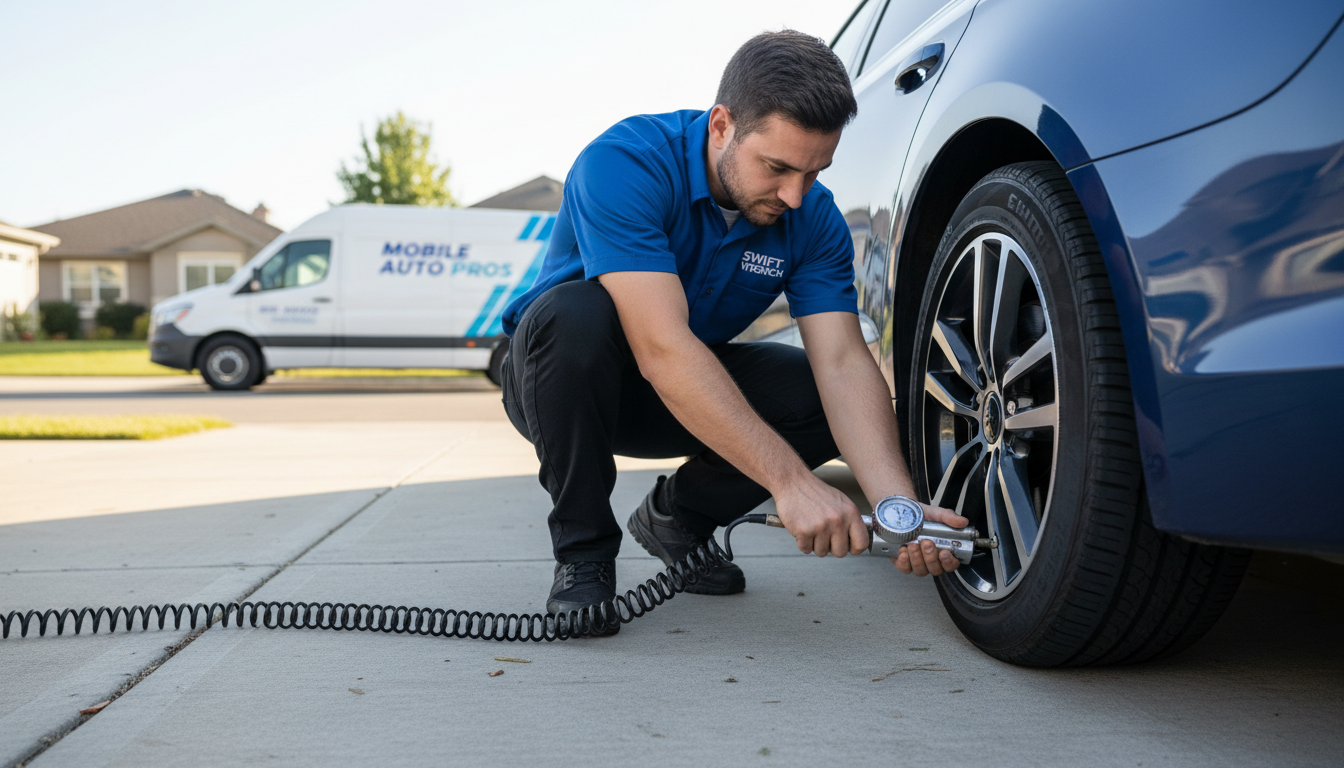
Proper tire pressure is vital for fuel efficiency and tire longevity. As temperatures drop, tire pressure can decrease, so it’s important to check regularly. Use a reliable tire pressure gauge to measure the pressure and compare it with the manufacturer’s recommended levels.
Under-inflated tires can lead to increased wear and reduced fuel efficiency, while over-inflated tires can cause a harsh ride and uneven wear. Adjust the pressure as needed to ensure optimal performance.
Inspecting for Wear and Damage
Regularly inspect your tires for signs of wear and damage. Look for cracks, bulges, or punctures that could compromise the integrity of the tire. If you notice any unusual wear patterns, it may indicate alignment or suspension issues that need addressing.
- Cracks or Cuts: These can lead to blowouts and should be repaired or replaced immediately.
- Bulges: Often a sign of internal damage, requiring immediate attention.
- Punctures: Small punctures can sometimes be repaired, but larger ones may necessitate a replacement.
Rotating and Balancing Tires
Rotating and balancing your tires is essential for even wear and extending their lifespan. It’s recommended to rotate your tires every 5,000 to 7,500 miles. This practice helps distribute wear more evenly and can enhance performance in varying weather conditions.
Additionally, ensuring your tires are balanced will provide a smoother ride and reduce stress on the suspension system. Regular maintenance can prevent costly repairs and downtime for your fleet.
Switching to Seasonal Tires
For fleets operating in regions with harsh winter conditions, switching to winter tires is advisable. Winter tires are designed to provide better traction on snow and ice, enhancing safety.
- Check Local Weather Patterns: Determine if winter tires are necessary based on typical seasonal conditions.
- Evaluate Tire Options: Consider all-season or specific winter tires depending on your fleet's needs.
- Schedule Timely Changes: Plan tire changes ahead of the season to avoid last-minute rushes.
By following this tire checklist, you can ensure that your fleet is prepared for the seasonal changes ahead, keeping your vehicles safe and efficient on the road.