
Preparing Your Fleet for Harsh Weather: Tire Tips for the Middle East


The Middle East is known for its extreme weather conditions, ranging from scorching heat to sudden sandstorms and rare, yet intense, rainfalls. These conditions pose unique challenges for fleet operators, particularly when it comes to maintaining tires. Ensuring your fleet is well-prepared can prevent costly downtime and enhance safety.

Understanding the Impact of Harsh Weather
The harsh climate in the Middle East can significantly affect tire performance. High temperatures can lead to increased tire pressure, which might cause blowouts. Sandstorms can reduce visibility and lead to abrasive damage, while heavy rains can lead to hydroplaning if tires are not properly maintained.
To mitigate these risks, it’s essential to be proactive in your tire maintenance strategy. This not only extends the life of the tires but also ensures the safety of drivers and cargo.
Regular Tire Inspections
Frequent inspections are crucial in harsh weather conditions. Check the tire pressure regularly, especially before long trips. Under-inflated tires can cause excessive heat buildup, while over-inflated tires increase the risk of blowouts.
- Inspect tread depth to ensure adequate traction.
- Look for signs of uneven wear or damage.
- Ensure valves and caps are intact and functioning properly.
Choosing the Right Tires
Selecting the appropriate tires for your fleet is crucial. Consider tires specifically designed for high temperatures and rough terrains. These tires often come with reinforced sidewalls and specialized treads to handle the unique challenges of the Middle Eastern climate.
Consult with tire professionals to determine the best options for your fleet based on typical routes and loads.
Maintaining Optimal Tire Pressure
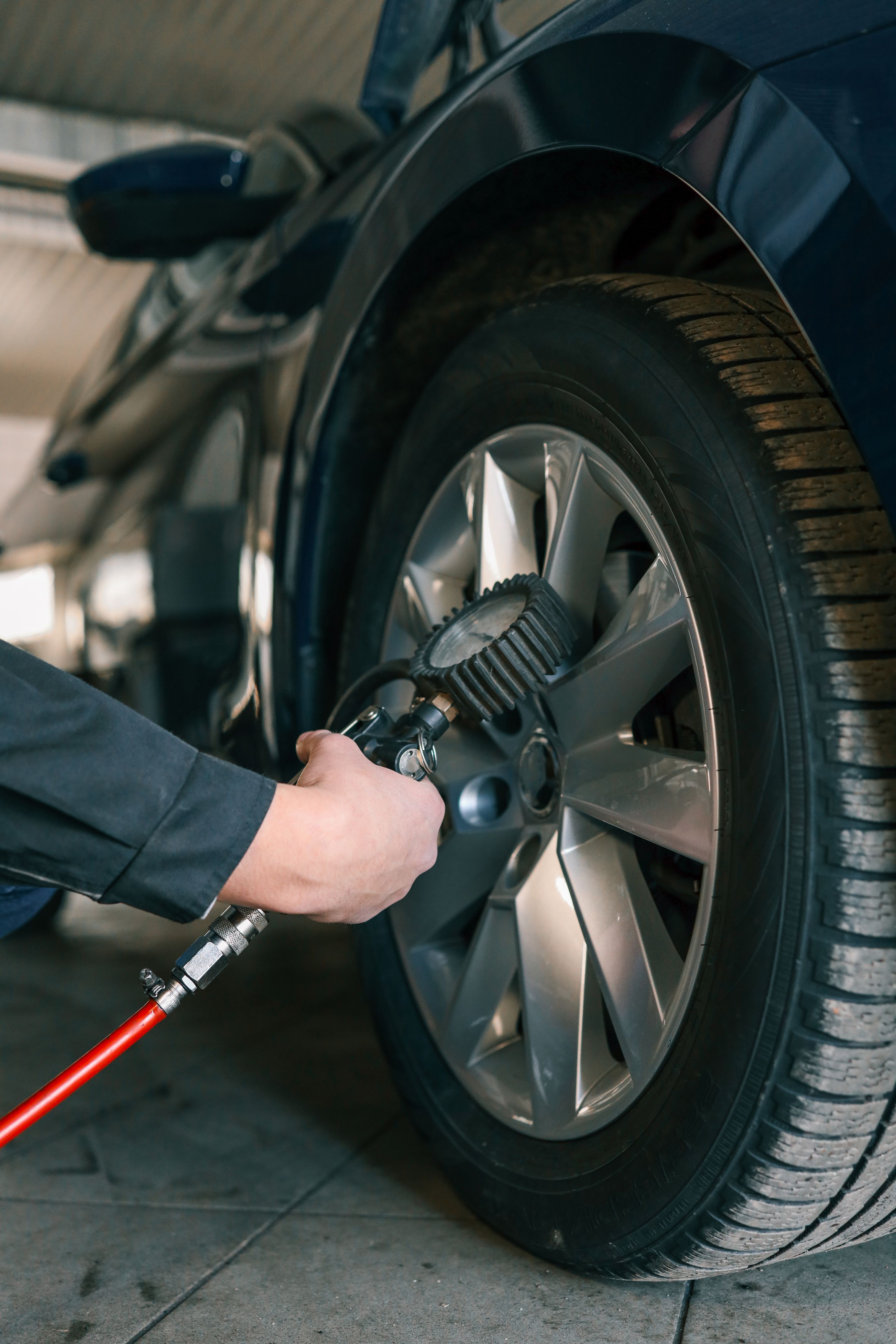
Keeping tires at the correct pressure is vital for performance and safety. During extreme heat, tire pressure can fluctuate, so it's important to check it regularly. Use a reliable tire pressure gauge and adjust as necessary.
- Check pressure when tires are cold, ideally in the morning.
- Refer to manufacturer specifications for optimal pressure levels.
- Consider using nitrogen inflation, which is less affected by temperature changes.

Training Drivers
Your drivers are the first line of defense against tire issues. Ensure they are trained to recognize signs of tire problems and understand the importance of maintaining proper tire pressure. Encourage them to report any irregularities immediately to prevent more serious issues.
Providing drivers with basic tools and equipment for tire maintenance can empower them to handle minor issues on the road.
Emergency Preparedness
Despite best efforts, emergencies can still occur. Ensure your fleet is equipped with emergency repair kits, including spare tires, jacks, and tools. Establish a reliable network of service providers across your routes to assist in case of a breakdown.
By implementing these tire maintenance strategies, fleet operators in the Middle East can significantly enhance the resilience and efficiency of their operations, even in harsh weather conditions.