
Navigating Tire Regulations in the Middle East: A Complete Guide


Understanding tire regulations in the Middle East can be quite complex due to the diverse regulations across different countries. Each nation may have its own set of standards and requirements, making it essential for businesses and drivers to stay informed. This guide will help you navigate these regulations and ensure compliance.

Understanding Regional Differences
The Middle East is composed of various countries, each with unique regulatory frameworks. While some countries may follow international standards, others have local specifications. It's crucial to identify the specific regulations applicable in each country where you plan to operate or drive.
For example, the Gulf Cooperation Council (GCC) countries have a unified standard, but there are still variations in implementation. Knowing the differences can save time and prevent potential legal issues.
GCC Standards
The GCC standard is one of the most commonly followed in the Middle East. It includes specific requirements for tire labeling, performance, and safety. Manufacturers and importers must ensure that their tires comply with these standards to enter the market.

Key Compliance Areas
When navigating tire regulations, there are several compliance areas to focus on. These include labeling, environmental considerations, and safety standards. Each plays a vital role in ensuring that the tires meet the necessary legal requirements.
Labeling and Certification
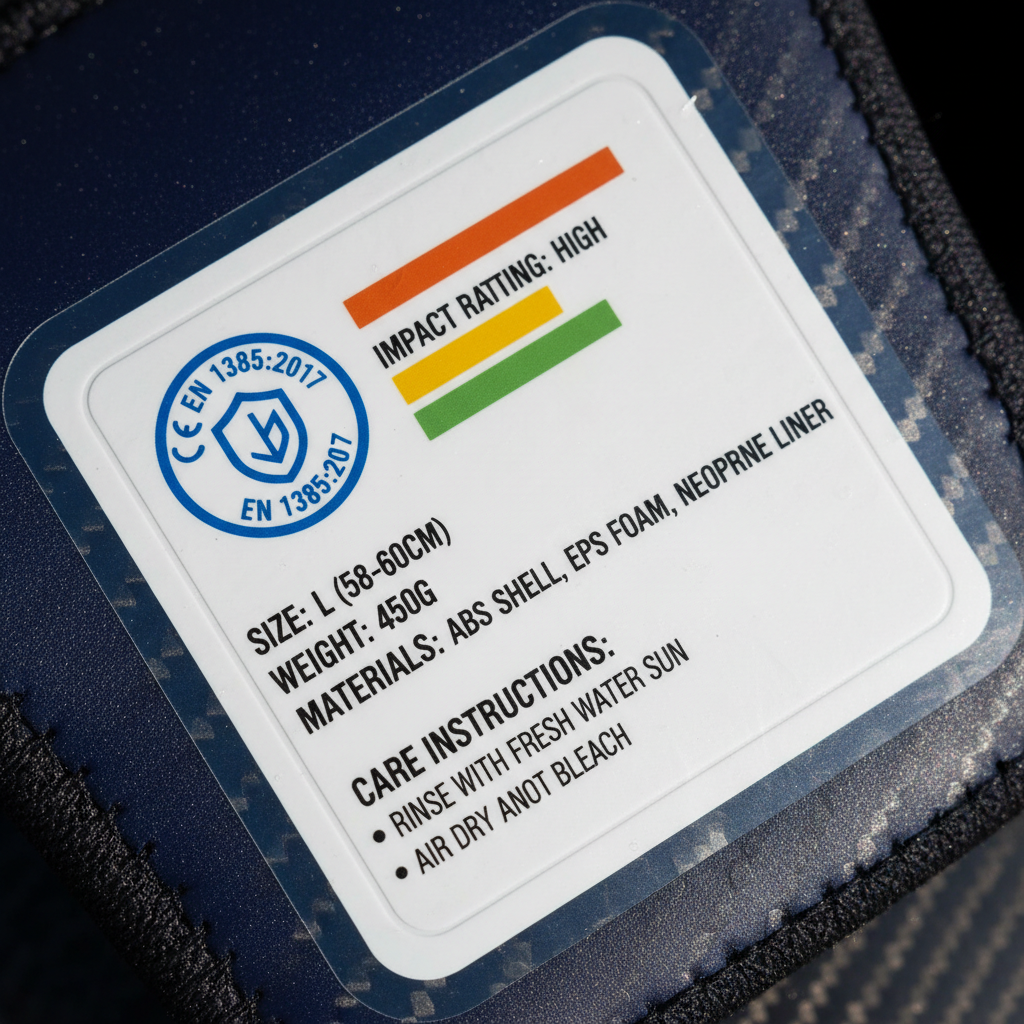
Proper labeling is essential for compliance. Tires must have specific information, such as load capacity, speed rating, and manufacturing details. Certification from recognized bodies may also be required to guarantee quality and safety.
- Load Capacity
- Speed Rating
- Manufacturing Date
Environmental Considerations
Environmental regulations concerning tires are becoming increasingly important. Many Middle Eastern countries are adopting eco-friendly standards to minimize the environmental impact. This includes recycling programs and mandates on material composition.
Adhering to these measures not only ensures legal compliance but also supports global sustainability efforts.
Recycling and Disposal
Proper disposal and recycling of tires are crucial aspects of environmental compliance. Companies must follow specific guidelines to ensure that used tires are disposed of in an environmentally friendly manner.
- Follow local recycling programs.
- Ensure proper disposal methods.
- Consider partnerships with recycling organizations.
Conclusion
Navigating tire regulations in the Middle East requires careful attention to detail and a thorough understanding of local laws. By focusing on regional differences, key compliance areas, and environmental considerations, businesses and drivers can ensure they meet all necessary requirements. Staying informed and proactive will not only prevent legal issues but also contribute to safer and more sustainable roadways.