
Myth-Busting: Common Misconceptions About Tire Logistics in Africa


Introduction
Tire logistics in Africa is a subject often surrounded by misconceptions and myths. These misunderstandings can lead to confusion and misjudgment about the industry's capabilities and growth potential. In this blog post, we aim to debunk some of the most common myths and provide a clearer picture of tire logistics in Africa.
Myth 1: Tire Logistics Are Underdeveloped
One of the most widespread misconceptions is that tire logistics in Africa are underdeveloped and lack sophistication. Contrary to this belief, many African countries have seen significant advancements in their logistics infrastructure over the past decade. Modern warehouses, improved transport networks, and advanced tracking technologies are just a few examples of these improvements.
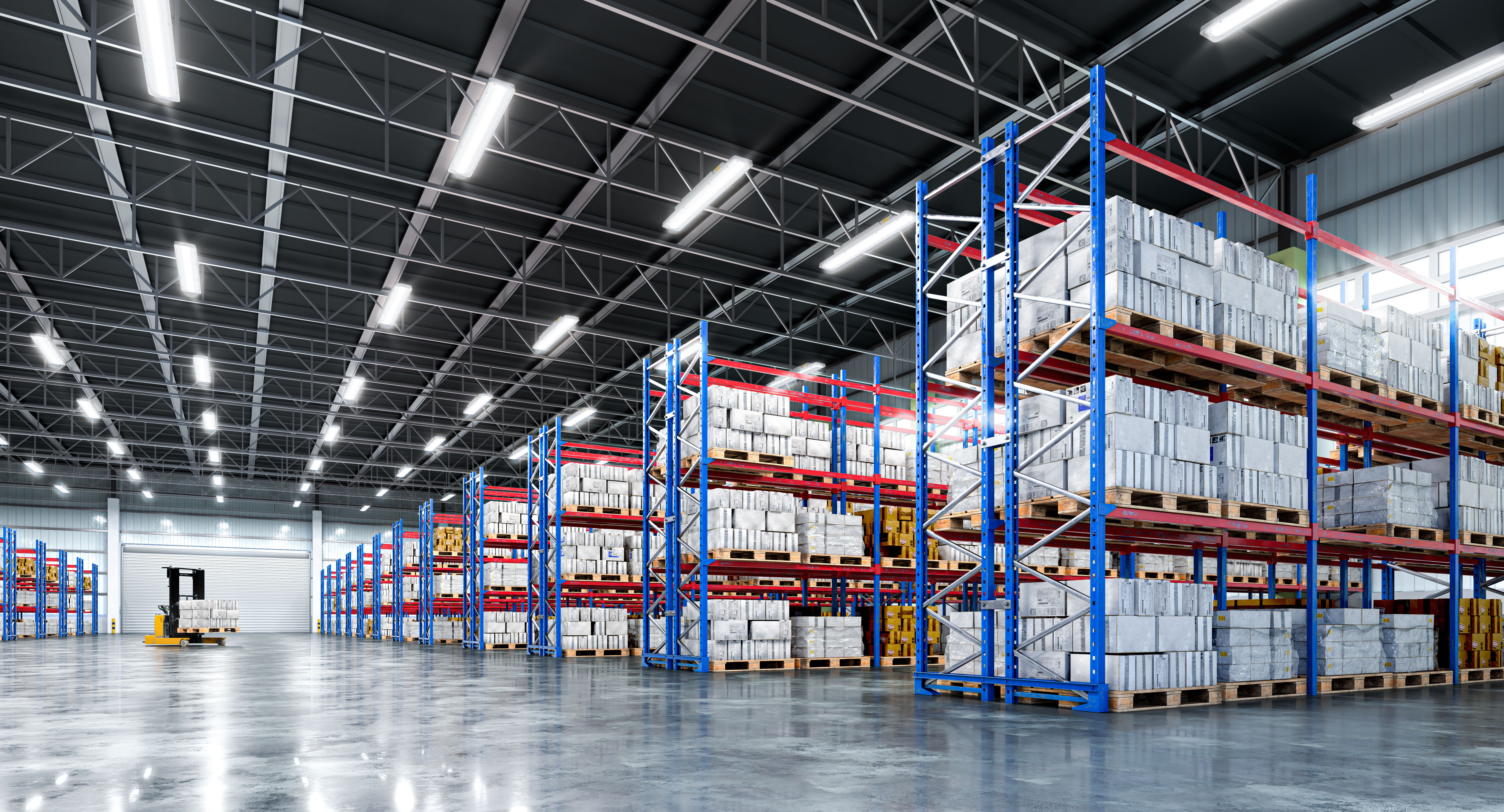
Logistical Hubs Are Emerging
Major cities like Lagos, Nairobi, and Johannesburg are transforming into logistical hubs with enhanced capabilities. These cities are not only facilitating the efficient movement of tires but are also becoming central to the tire trade across the continent. This development is crucial in meeting the growing demand for tires in Africa’s rapidly urbanizing regions.
Myth 2: Tires Are Too Expensive to Transport
Another common myth is that the cost of transporting tires across Africa is prohibitively high. While logistics can be expensive, the situation is not as dire as often portrayed. Several factors, such as improved road networks and competitive shipping options, have contributed to reducing transportation costs.

Cost-Effective Strategies
Logistics companies are adopting cost-effective strategies like bulk shipping and optimizing delivery routes. These approaches help in cutting down expenses, making tire distribution more affordable. Additionally, the rise of local tire manufacturing has decreased reliance on imports, further reducing costs.
Myth 3: Tire Logistics Are Environmentally Unfriendly
There is a misconception that tire logistics are environmentally harmful due to the carbon footprint associated with transportation. However, many companies are actively working to minimize their environmental impact by adopting sustainable practices.
Embracing Sustainability
From using eco-friendly packaging to investing in fuel-efficient vehicles, the tire logistics industry in Africa is making strides towards sustainability. Some firms are even exploring alternative modes of transport, such as rail, which can significantly reduce emissions compared to road transport.

Conclusion
Dispelling these myths is essential for understanding the true state of tire logistics in Africa. The industry is evolving rapidly with technological advancements, cost-effective solutions, and sustainable practices. By acknowledging these developments, stakeholders can better appreciate the potential and opportunities within Africa’s tire logistics sector.