
How to Select the Best Automotive Tires for Middle Eastern Roads


Understanding Middle Eastern Road Conditions
Driving in the Middle East presents unique challenges due to varying road conditions, from the scorching desert highways to bustling urban streets. Selecting the right automotive tires is crucial for safety and performance. This guide will help you make an informed choice that suits these diverse environments.
Consider the Climate
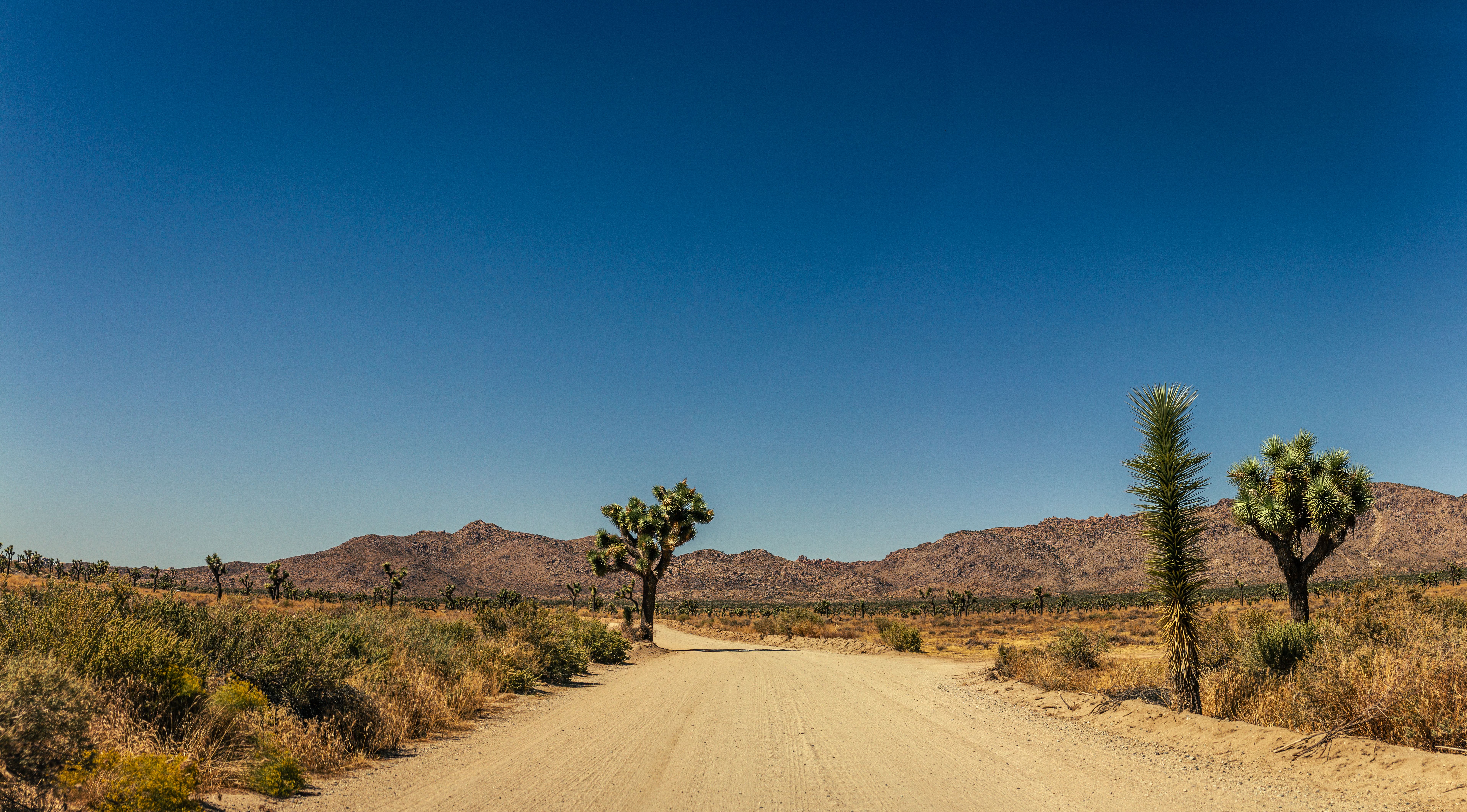
The Middle East experiences extreme temperatures, which can affect tire performance. Tires must withstand high heat without compromising on grip or durability. Look for tires with a high-temperature resistance rating, as they are designed to perform well in hot climates.
Additionally, if you frequently travel to regions with occasional rain, consider all-season tires that offer reliable traction in both dry and wet conditions. This versatility can be particularly beneficial for unpredictable weather patterns.
Types of Tires
All-Terrain Tires
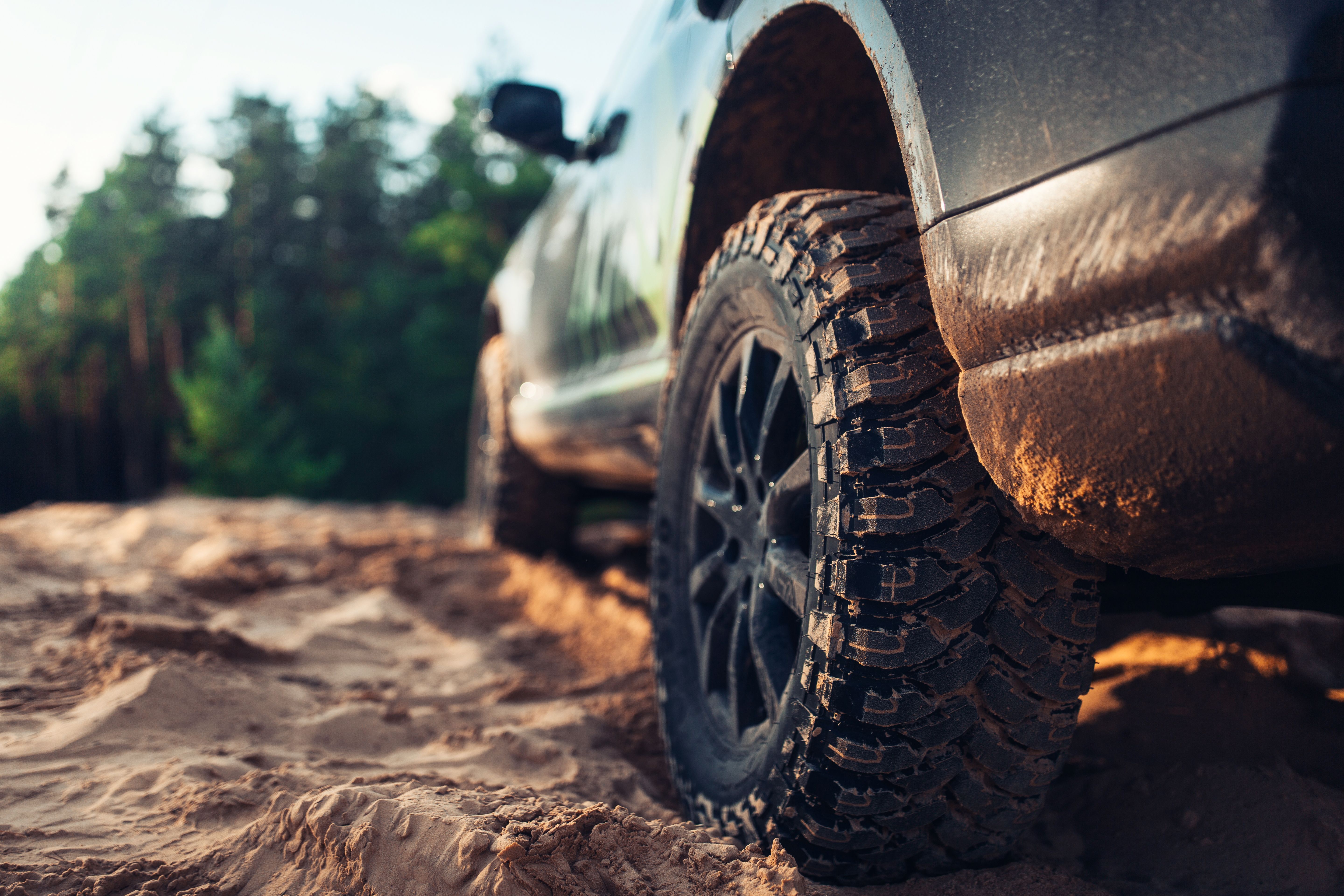
For those who enjoy off-road adventures, all-terrain tires are an excellent choice. These tires are built to handle rough surfaces like sand and gravel while providing a comfortable ride on paved roads. They offer a balance between on-road comfort and off-road capability.
Performance Tires
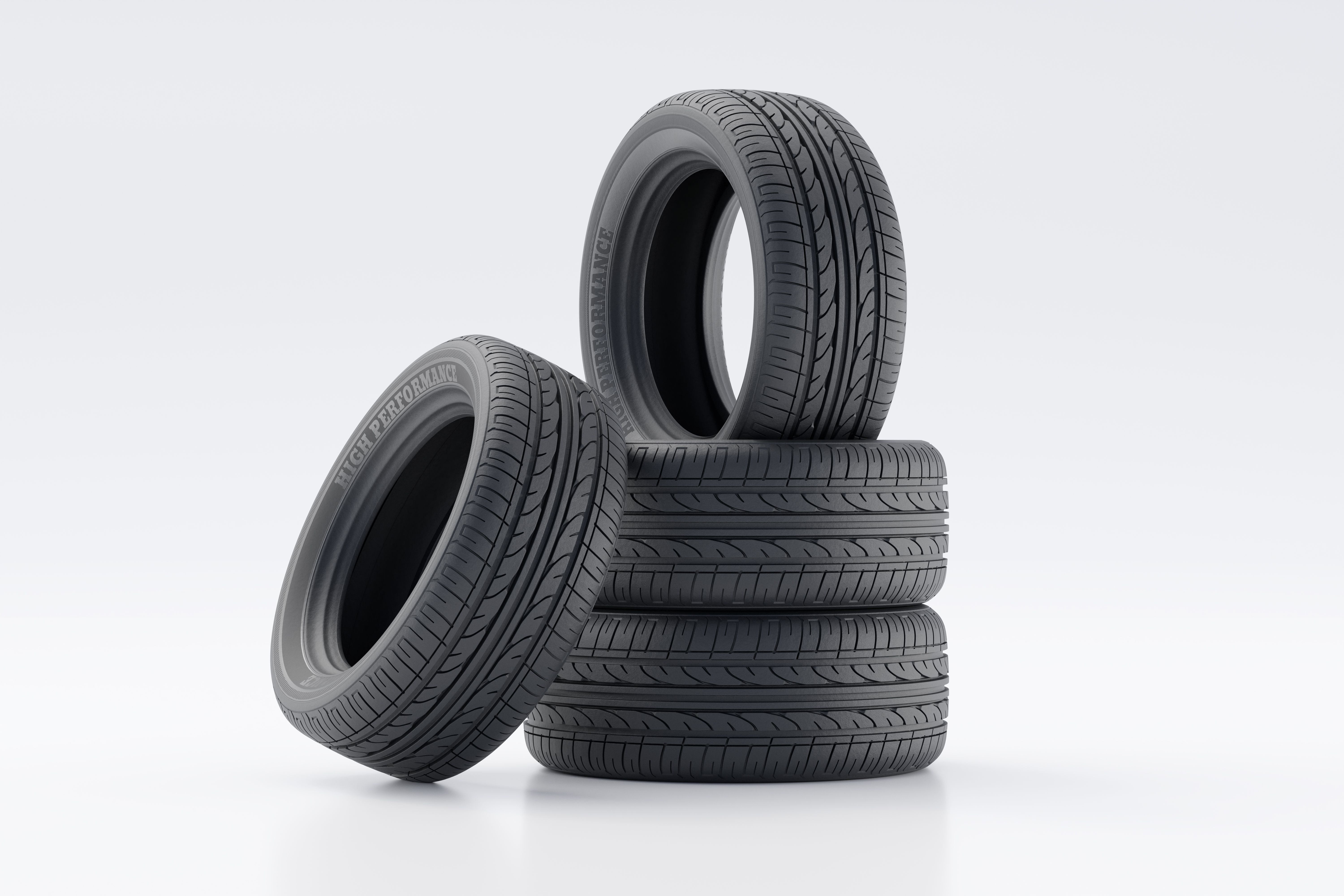
If you prioritize speed and handling, performance tires might be the right fit. These tires are designed for superior grip and stability at high speeds, making them ideal for sports cars and high-performance vehicles. However, they may wear out faster on rough surfaces.
Assessing Tire Durability
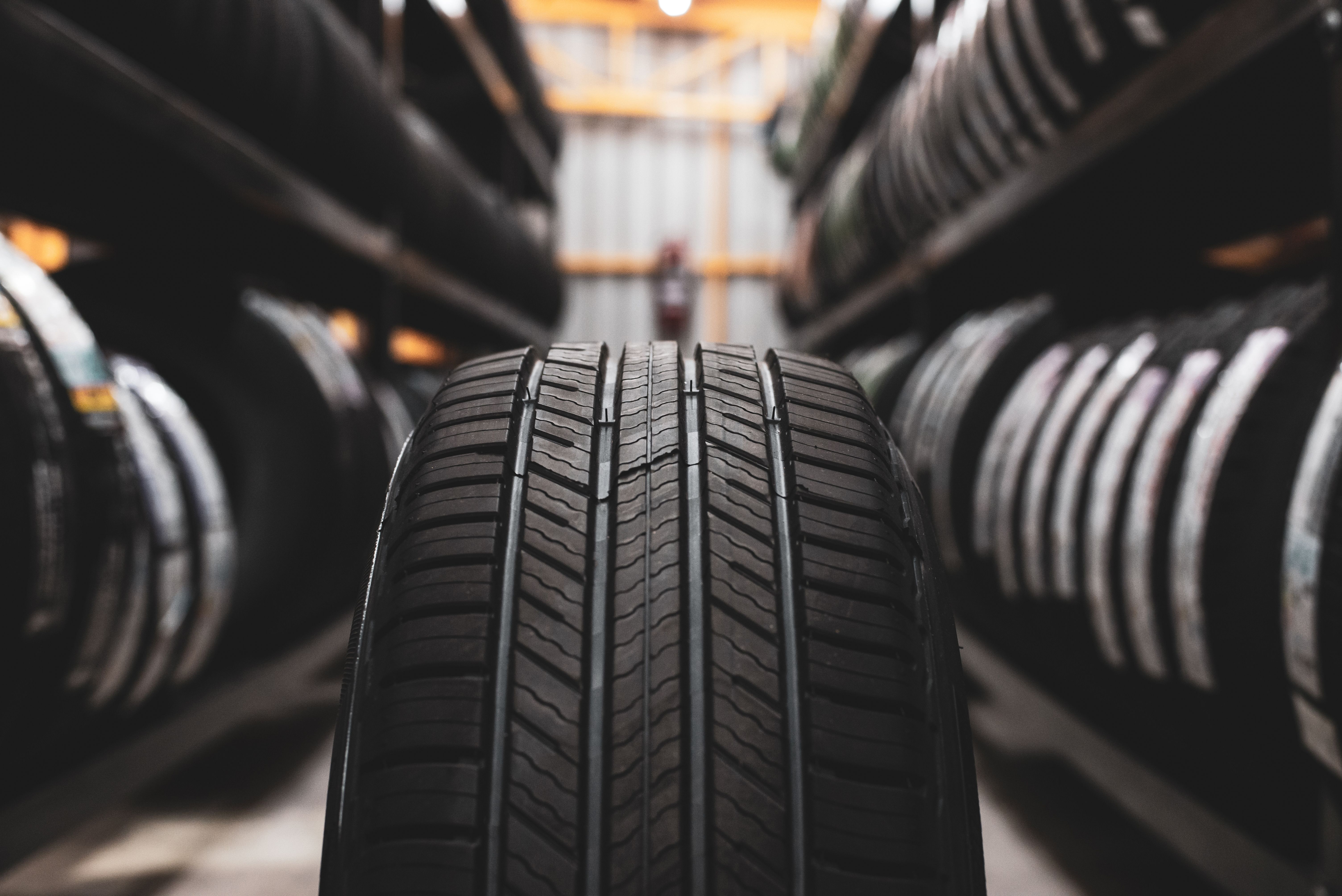
Given the rough terrain and long distances in some areas, tire durability is a key factor. Look for tires with reinforced sidewalls and tread patterns that resist wear and tear. This ensures a longer lifespan and reduces the risk of tire failure in remote locations.
Check for tires with a strong warranty, as this can be an indicator of the manufacturer's confidence in their product's durability.
Choosing the Right Size
Always consult your vehicle's manual to determine the correct tire size. Using the wrong size can affect your car's handling and fuel efficiency. The size is usually indicated on the sidewall of the tire and includes information on width, aspect ratio, and diameter.
For better performance, consider upgrading to a wider tire if your vehicle allows it. Wider tires offer better stability and grip, especially on loose surfaces.
Price vs. Performance
While it's tempting to opt for cheaper options, investing in high-quality tires can save you money in the long run. High-performance tires often offer better fuel efficiency, longer tread life, and enhanced safety features. Assess your budget and prioritize features that match your driving habits.
Conclusion
Selecting the best automotive tires for Middle Eastern roads involves considering climate, road conditions, and driving preferences. By understanding the various types of tires and their features, you can ensure a safe and efficient driving experience. Remember, the right tires not only enhance performance but also provide peace of mind on every journey.