
How to Prepare Your Vehicle for Middle Eastern Summers with the Right Tires


Understanding the Heat Challenge
The Middle Eastern summer is notorious for its extreme temperatures, with the mercury often rising above 40 degrees Celsius. This intense heat can take a toll on your vehicle, especially the tires. Ensuring your tires are in optimal condition is crucial for safe and efficient driving during these harsh months.
High temperatures can cause tires to expand, leading to increased pressure and potential blowouts. It's essential to choose tires that are designed to handle such conditions, providing both durability and performance.

Choosing the Right Tires
When selecting tires for Middle Eastern summers, look for options that are specifically engineered for high temperatures. These tires often feature heat-resistant materials and tread patterns that enhance grip on hot roads.
Key features to consider include:
- Heat Resistance: Tires should be able to withstand high temperatures without degrading.
- Durability: Choose tires that are built to last, reducing the need for frequent replacements.
- Traction: Ensure the tread pattern provides excellent grip on both dry and slightly sandy surfaces.
Maintaining Optimal Tire Pressure
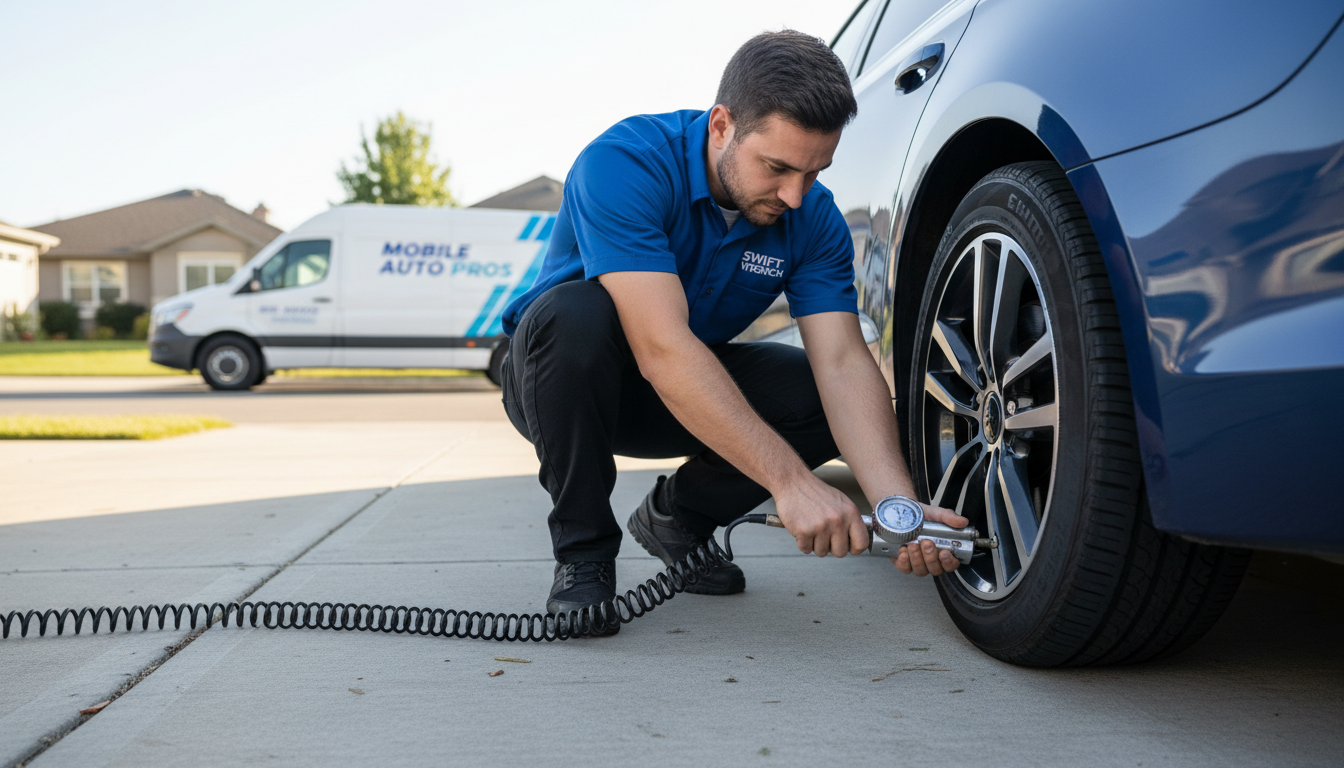
Regularly checking and maintaining the correct tire pressure is vital. Over-inflated or under-inflated tires can be hazardous, especially in the heat. Aim to check your tire pressure at least once a month and adjust as needed.
Regular Tire Inspections
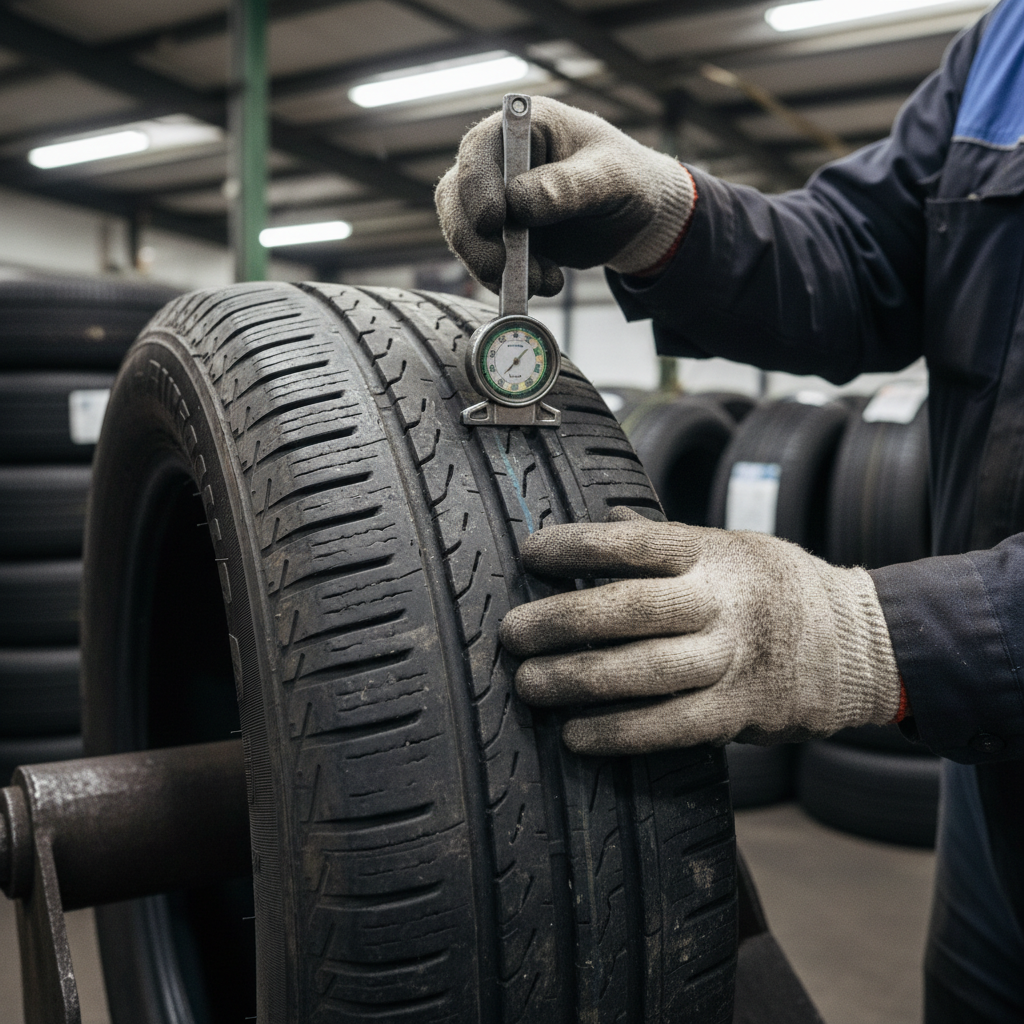
Conducting frequent tire inspections can prevent unexpected issues. Look for signs of wear and tear, such as cracks, bulges, or uneven tread wear. Addressing these problems early can help you avoid costly repairs or dangerous situations on the road.
Rotating your tires every 10,000 kilometers can also help in distributing wear evenly, extending the life of your tires.
Additional Safety Tips
In addition to selecting the right tires and maintaining them properly, consider the following tips for safer driving in the Middle Eastern heat:
- Limit Driving During Peak Heat: Try to avoid driving during the hottest part of the day, typically between noon and 3 PM.
- Regular Vehicle Maintenance: Ensure other vehicle components, such as brakes and coolant systems, are in good condition.
- Stay Informed: Keep an eye on weather reports and road conditions, especially during heatwaves.
By taking these precautions, you can ensure a safer and more comfortable driving experience throughout the scorching summer months.