
How to Prepare Your Tires for Extreme Middle Eastern Weather


Understanding the Challenges of Middle Eastern Weather
The Middle East is known for its extreme weather conditions, with scorching summer temperatures and occasional sandstorms posing unique challenges for vehicle maintenance. Proper tire care is essential in these conditions to ensure safety and longevity. By understanding the specific demands of this environment, you can take proactive steps to maintain your tires effectively.
High temperatures can lead to increased tire pressure, while sand and debris can cause wear and tear. These factors necessitate a rigorous maintenance routine to prevent accidents and extend the life of your tires.

Regular Tire Inspection
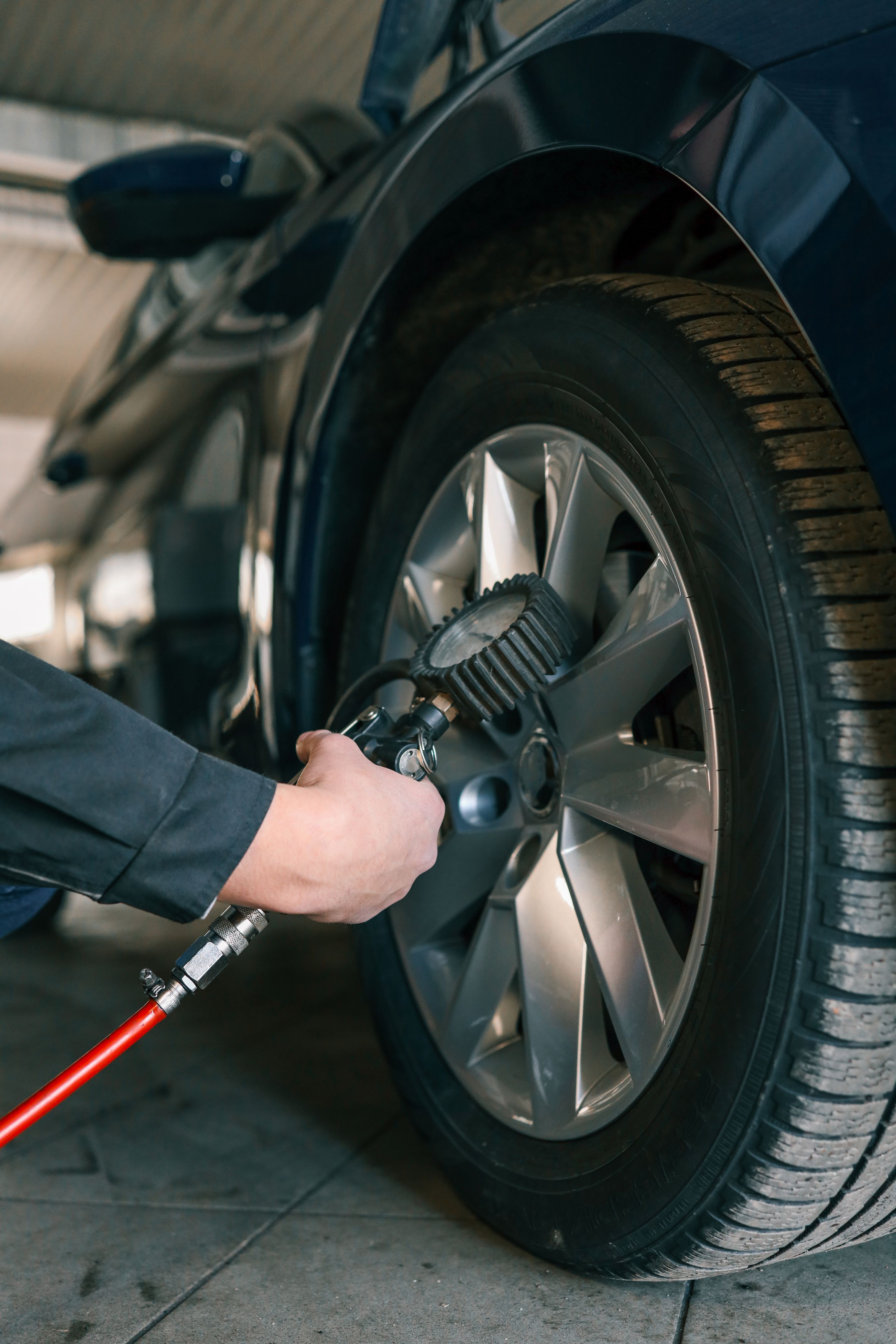
Frequent tire inspections are crucial in extreme weather. Begin by checking the tire pressure at least once a month. Heat can cause air inside the tires to expand, leading to overinflation. Use a reliable tire gauge to ensure they are at the manufacturer’s recommended pressure.
Look for signs of uneven wear or damage such as cuts or punctures. Regular inspections can help you identify and address issues before they become serious problems.
Inspect Tread Depth
Tread depth plays a vital role in tire performance, especially in challenging conditions. Ensure that your tires have adequate tread depth to provide necessary traction. The "penny test" is a simple method: insert a penny into the tread grooves; if you can see the top of Lincoln’s head, it's time for new tires.
Choosing the Right Tires
Selecting the appropriate tires for Middle Eastern weather is crucial. Consider tires designed for high temperatures and sandy conditions. All-season tires might not always be the best choice in extreme heat. Look for those with heat-resistant compounds and robust sidewalls.
Consult with a tire specialist to find the best options for your vehicle. They can recommend tires that offer durability and performance tailored to local conditions.
Consider Tire Rotation
Tire rotation is essential for even wear, especially in regions with uneven road surfaces. Rotate your tires every 5,000 to 8,000 kilometers to promote uniform wear and extend their lifespan. This practice can also improve fuel efficiency and overall handling.
Proper Storage and Maintenance
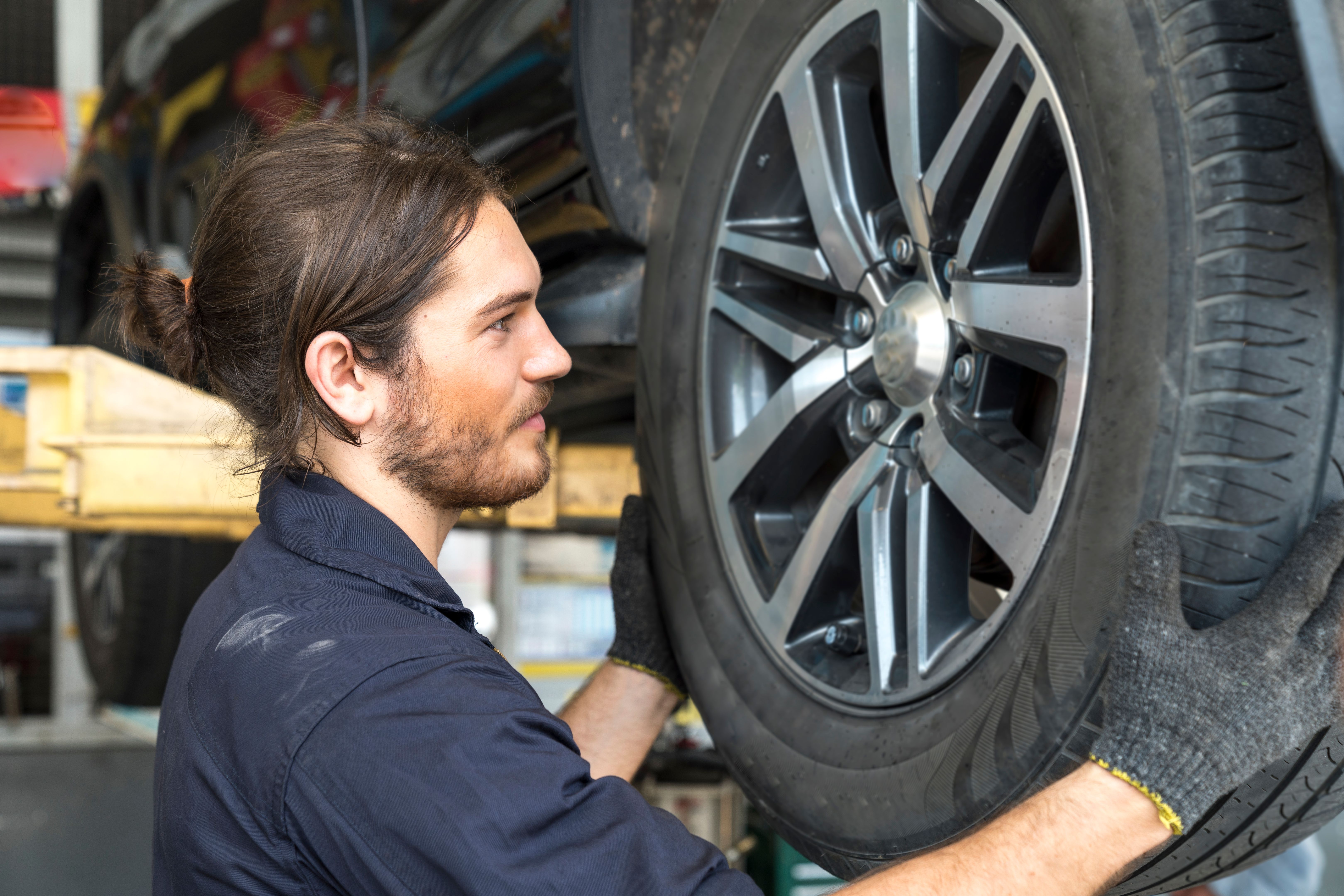
When not in use, store your tires in a cool, dry place away from direct sunlight and heat sources. This prevents the rubber from degrading prematurely. If possible, elevate the tires off the ground to reduce stress on the sidewalls.
Regular cleaning is also important. Remove sand and debris to prevent abrasion and maintain tire integrity. A mild soap and water solution is usually sufficient for cleaning.
Stay Informed and Proactive
Stay updated with local weather forecasts and adjust your driving habits accordingly. During sandstorms, reduce speed and maintain a safe distance from other vehicles. Awareness and preparation are key to handling extreme weather effectively.
By implementing these strategies, you not only safeguard your tires but also enhance your overall driving safety and comfort in the harsh Middle Eastern climate.