
How to Maintain Commercial Tires in Africa’s Unique Environments


Africa's diverse landscapes offer unique challenges for maintaining commercial tires. From arid deserts to tropical rainforests, each environment demands specific care to ensure tire longevity and performance. Understanding these challenges is crucial for businesses relying on commercial vehicles.
Understanding Environmental Challenges
The continent's varied climates can significantly impact tire wear and performance. In hot, dry areas, tires face extreme heat, which can lead to increased wear and potential blowouts. Conversely, wet regions may cause issues with traction and increased risk of hydroplaning.

Impact of Terrain on Tires
Africa's roads range from well-paved highways to rugged, uneven paths. In rural areas, tires can encounter sharp rocks, potholes, and other obstacles that lead to punctures and damage. Regular tire inspections are essential to detect early signs of wear and tear.
Effective Maintenance Practices
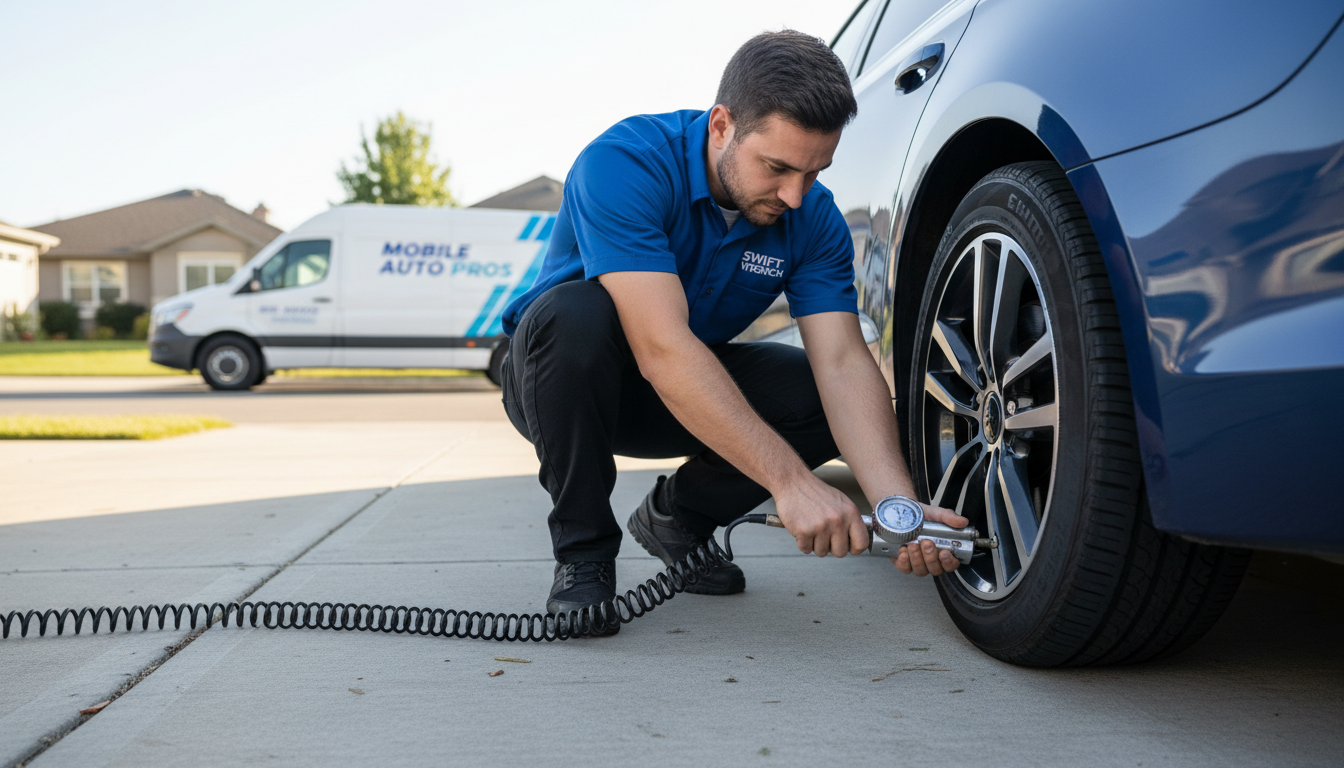
Maintaining proper tire pressure is one of the most effective ways to extend tire life. Over-inflated or under-inflated tires can cause uneven wear and increase the risk of accidents. It's vital to check tire pressure regularly, especially before long trips.
Regular Tire Rotation and Alignment
To ensure even wear, regularly rotate and align tires. This practice helps in balancing tire tread wear, improving vehicle handling, and extending tire lifespan. Most manufacturers recommend rotation every 5,000 to 8,000 kilometers.
Choosing the Right Tires
Selecting tires suited for specific environments is crucial. In regions with heavy rainfall, opt for tires designed for wet conditions with deeper treads. For desert areas, tires that withstand high temperatures and rough terrain are preferable.

Utilizing Technology for Tire Monitoring
Modern technology offers solutions like tire pressure monitoring systems (TPMS) that alert drivers to changes in tire pressure, helping prevent accidents and reduce maintenance costs. Investing in such technology can enhance safety and efficiency.
Training and Awareness
Educating drivers and maintenance teams about the importance of tire care is vital. Providing training on identifying signs of tire damage and proper maintenance techniques can prevent costly repairs and improve overall fleet performance.
In conclusion, maintaining commercial tires in Africa's unique environments requires a proactive approach. By understanding environmental challenges, implementing effective maintenance practices, and choosing the right tires, businesses can ensure their vehicles remain reliable and safe on the road.