
How Tire Distribution Works in the Middle East: A Behind-the-Scenes Look


The tire distribution industry in the Middle East is a fascinating network of logistics, partnerships, and strategic planning. Understanding how it works provides insights into how tires make their way from manufacturers to the end consumers in this dynamic region.
At the core of tire distribution is the intricate relationship between manufacturers, distributors, and retailers. This relationship ensures that the right tires reach the right markets at the right time, meeting the specific needs of various customer segments.
The Role of Manufacturers
Manufacturers are the starting point in the tire distribution chain. They produce a wide range of tires, from passenger car tires to specialized industrial tires. In the Middle East, manufacturers often collaborate with local distributors to navigate the diverse market demands across different countries.
These partnerships allow for tailored production runs, ensuring that the specific preferences and requirements of each market are met. Additionally, manufacturers work closely with distributors to set pricing strategies that align with local economic conditions.
Distribution Channels
The distribution of tires in the Middle East relies heavily on established channels that efficiently move products from factories to consumers. These channels include a mix of direct sales, regional distributors, and local retailers.
Regional Distributors
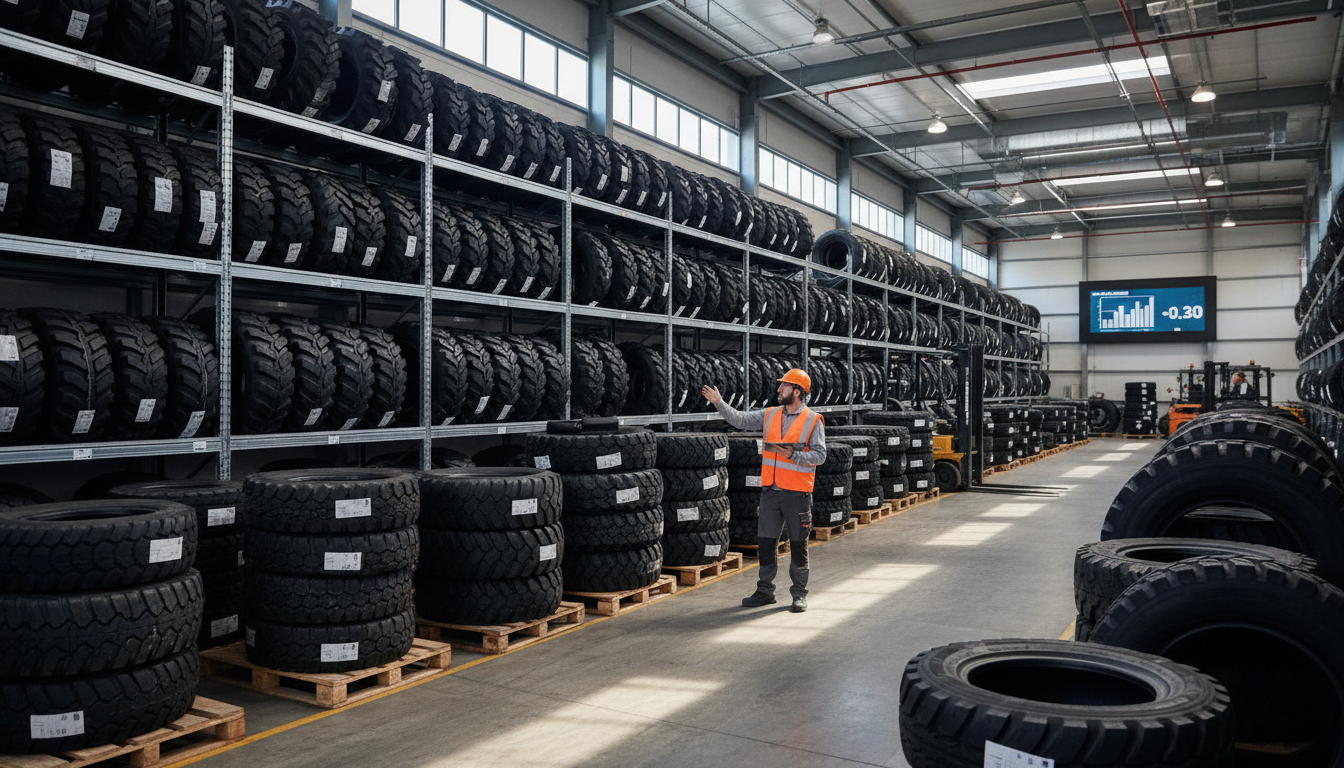
Regional distributors play a crucial role in handling logistics, warehousing, and transportation. They act as intermediaries, purchasing large volumes of tires from manufacturers and selling them to retailers or directly to end users.
Local Retailers
Local retailers are the final link in the distribution chain. They provide consumers with access to a wide range of tire brands and models. Retailers also offer services such as installation, balancing, and alignment, adding value to the customer experience.
Challenges in Tire Distribution
Despite the robust distribution network, the industry faces several challenges. These include fluctuating demand, geopolitical tensions, and logistical hurdles due to the region's vast and varied terrain.
- Fluctuating Demand: Seasonal variations and economic shifts can affect tire demand, requiring distributors to be agile in their inventory management.
- Geopolitical Tensions: Political instability in certain areas can disrupt supply chains, necessitating contingency planning.
- Logistical Hurdles: The diverse geography of the Middle East, from deserts to urban centers, presents unique transportation challenges.

The Future of Tire Distribution
As the Middle East continues to develop its infrastructure and expand its automotive market, tire distribution is expected to evolve. Innovations in logistics, such as the use of AI and data analytics, will likely enhance efficiency and responsiveness in the supply chain.
Moreover, the growing emphasis on sustainability and environmental responsibility is prompting the industry to explore eco-friendly tire options and recycling initiatives, aligning with global trends.
The tire distribution industry in the Middle East is a complex and dynamic ecosystem. By understanding its inner workings, stakeholders can better navigate the challenges and opportunities that lie ahead, ensuring that they remain competitive in this ever-evolving market.