FAQ: Everything You Need to Know About Tires in the Middle East


Understanding Tire Basics
Tires are a crucial component of any vehicle, affecting everything from fuel efficiency to safety. In the Middle East, where temperatures can soar, selecting the right tire is essential. The heat can impact tire pressure and wear, making it vital to choose tires that can withstand extreme conditions.
Types of Tires Available
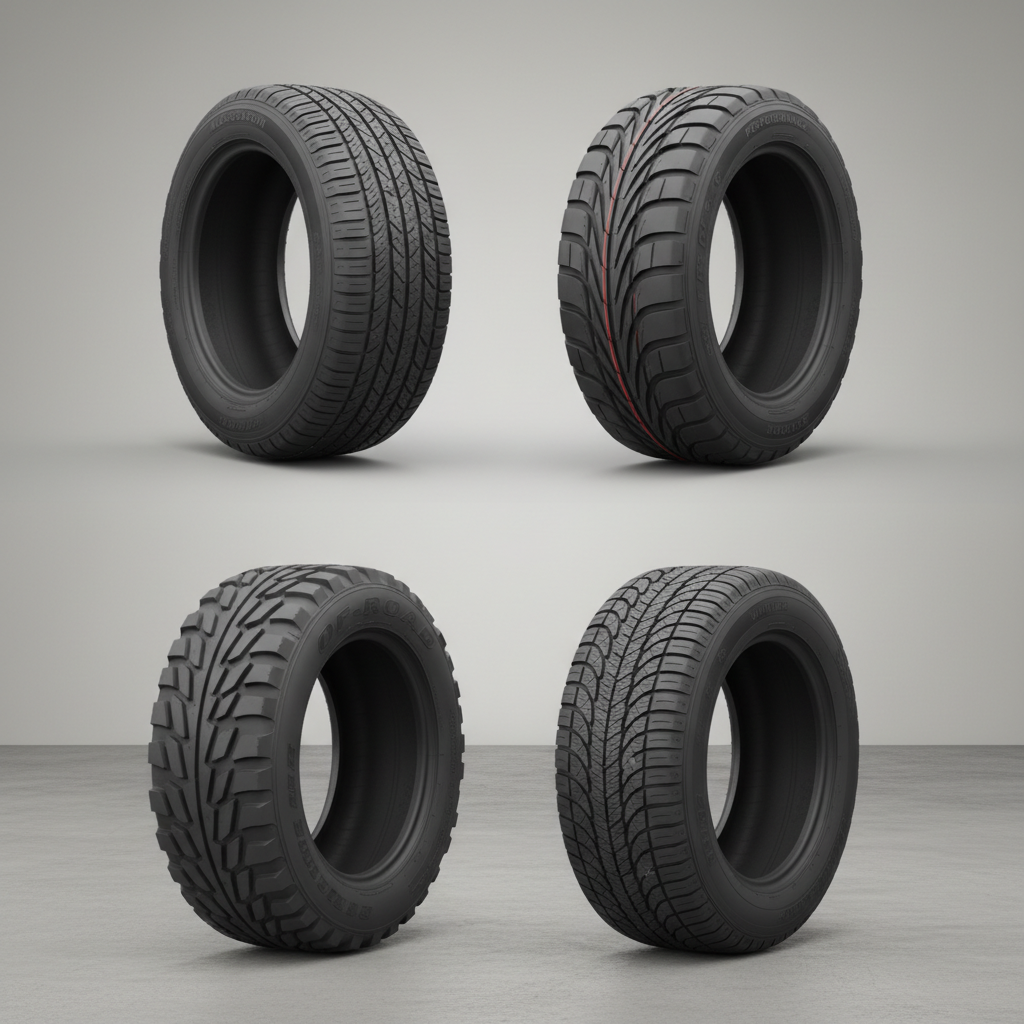
There are several types of tires suitable for different needs. Here are some of the most common:
- All-Season Tires: Designed for year-round use, these are suitable for various weather conditions but may not excel in extreme heat.
- Performance Tires: Known for enhanced grip and handling, ideal for sports cars and high-performance vehicles.
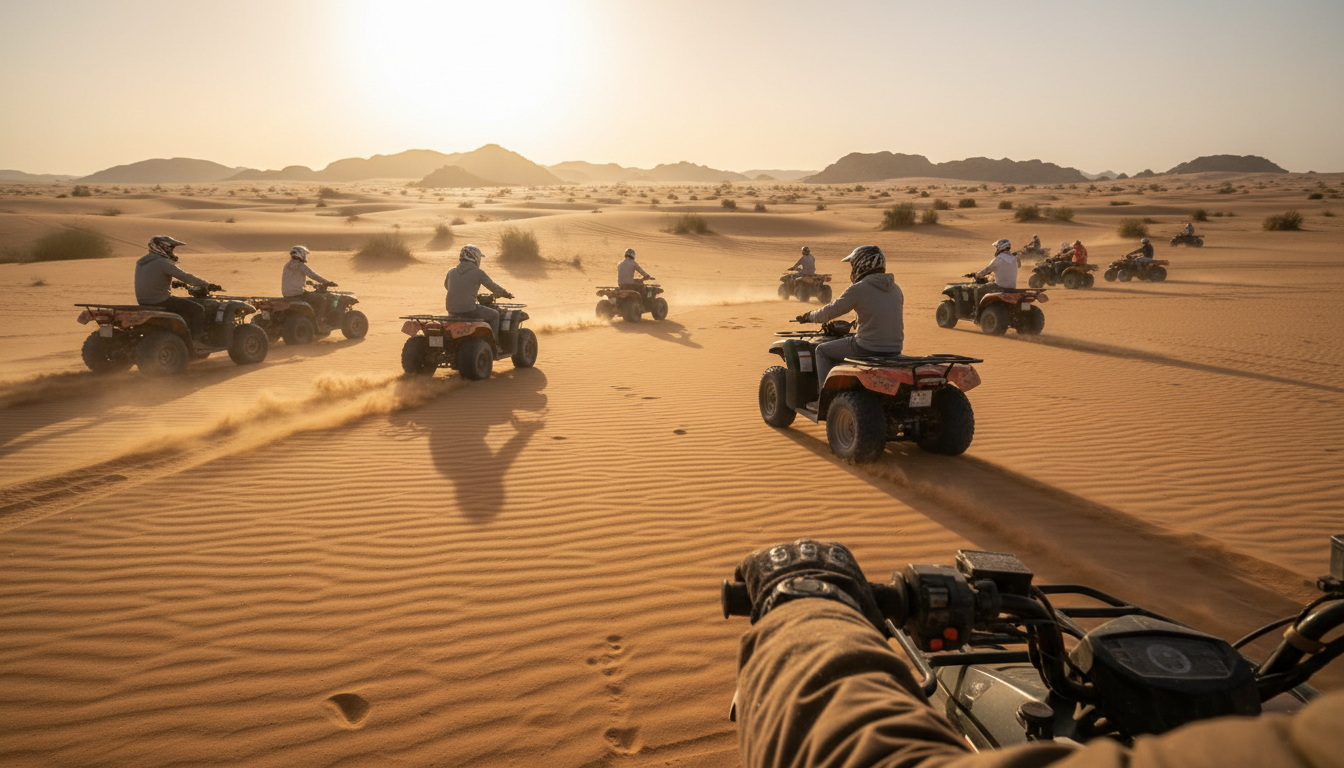
- Off-Road Tires: Built for rugged terrain, perfect for adventures in the desert or mountainous areas.
Choosing the Right Tire
Selecting the right tire involves considering factors like climate, driving habits, and vehicle type. In the Middle East, heat resistance and durability are key. Look for tires with a high-temperature rating to ensure they perform well under extreme conditions.

Understanding Tire Markings
Tires come with various markings that indicate their specifications. Knowing how to read these can help you make an informed decision. Key markings include:
- Width: The measurement from sidewall to sidewall, in millimeters.
- Aspect Ratio: The height of the tire's sidewall as a percentage of the width.
- Diameter: The size of the wheel that the tire is designed to fit.
Maintaining Your Tires
Proper tire maintenance is crucial for safety and longevity. Regular checks can prevent issues like uneven wear and blowouts. Here are some maintenance tips:
- Check tire pressure monthly and adjust as needed.
- Rotate tires every 10,000 to 12,000 kilometers.
- Inspect for signs of damage, such as cuts or punctures.
When to Replace Tires
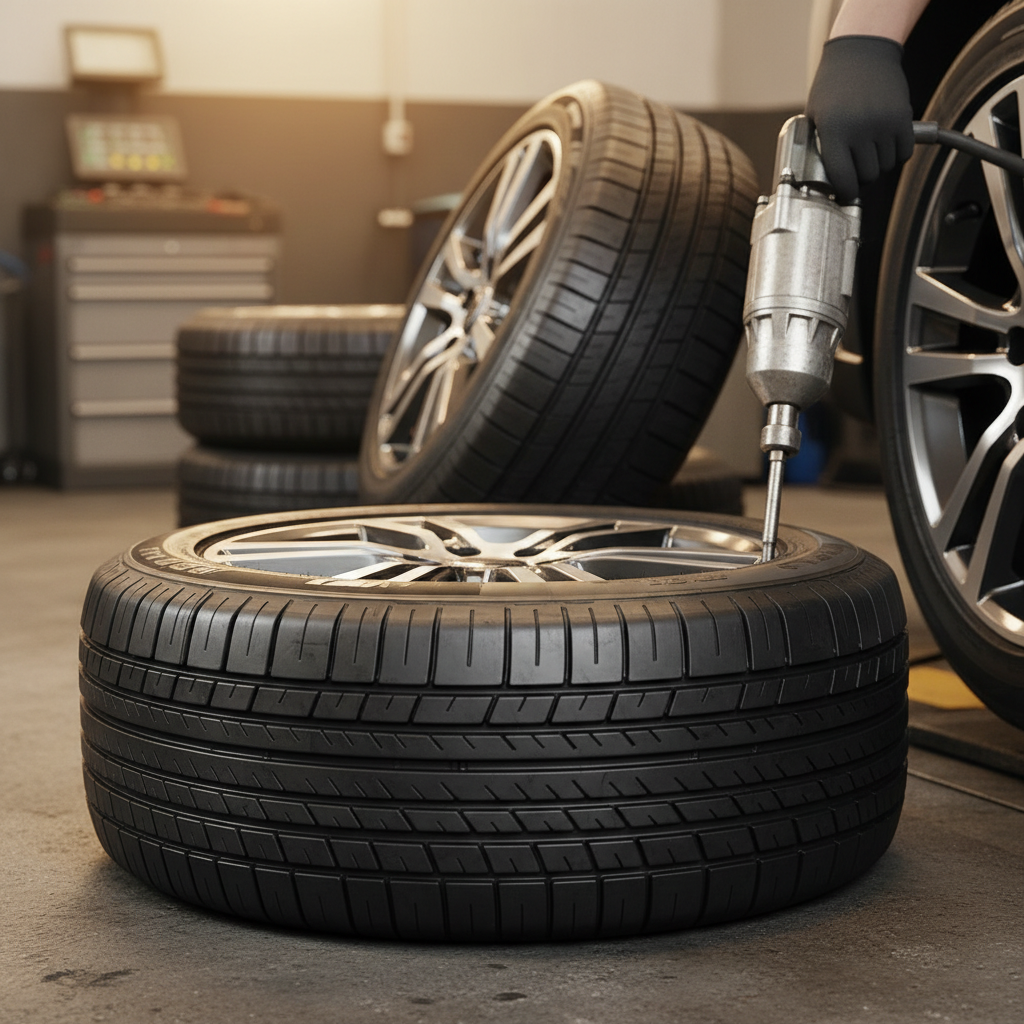
Knowing when to replace your tires can prevent accidents and improve vehicle performance. Generally, tires should be replaced every six years, but frequent inspections can help identify earlier needs. Look for signs like tread wear indicators, cracks, or bulges.
Environmental Considerations
With a growing focus on sustainability, many drivers are considering eco-friendly tires. These tires are designed to reduce rolling resistance, improving fuel efficiency and lowering emissions. Consider this option if you're looking to minimize your environmental impact while driving in the Middle East.