
Expert Tips for Navigating Tire Distribution in the Middle East


When it comes to navigating the complex world of tire distribution in the Middle East, understanding the market dynamics is crucial. The region presents unique challenges and opportunities, making it essential for businesses to employ strategic approaches. In this post, we'll explore expert tips to help you successfully distribute tires in this diverse and growing market.
Understanding the Middle Eastern Market
The Middle East is characterized by a diverse range of countries, each with its own economic climate and consumer preferences. It's vital to recognize these differences to tailor your distribution strategy effectively. Key markets such as the UAE, Saudi Arabia, and Qatar are known for their robust automotive sectors, offering substantial opportunities for tire distributors.
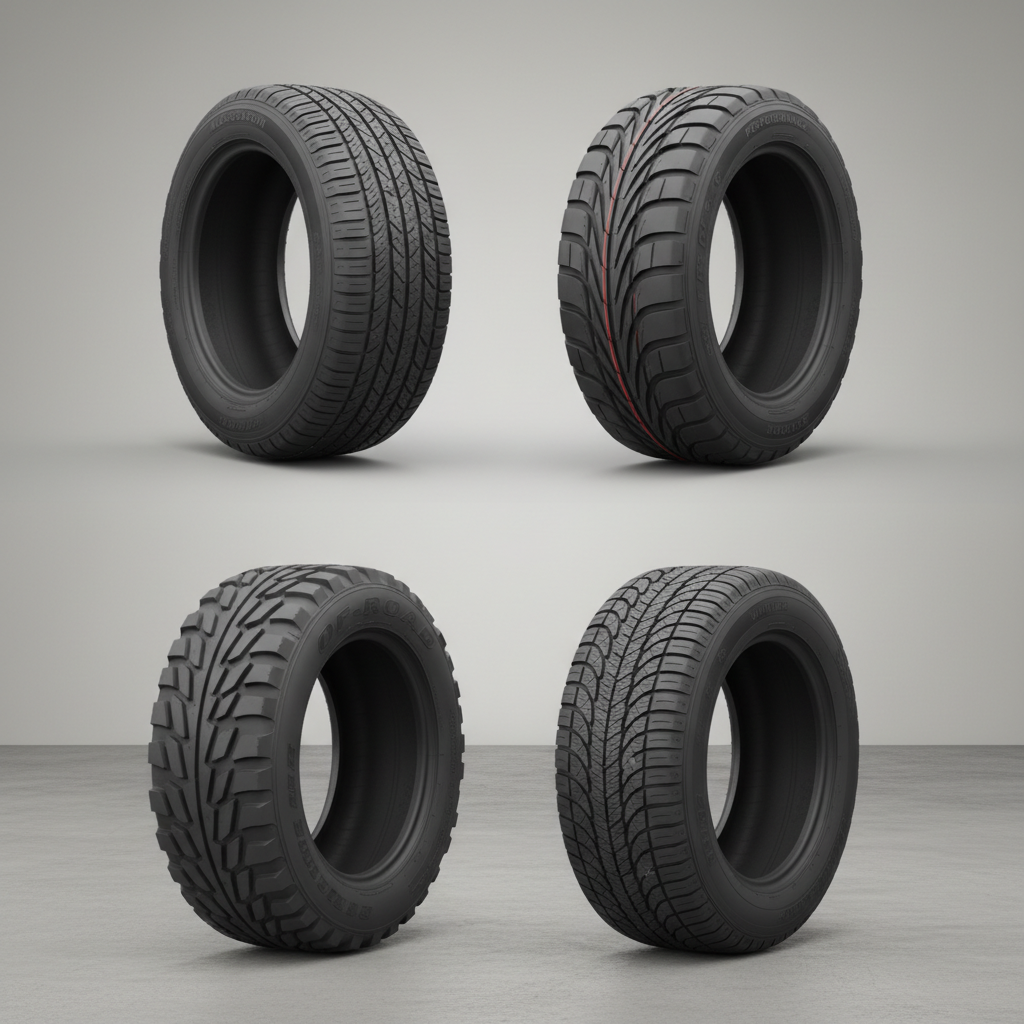
Analyzing market trends and consumer behavior is essential. For instance, there's a growing demand for premium and specialty tires as consumers become more brand-conscious. Additionally, understanding local regulations and import duties is vital to avoid unexpected costs and delays.
Building Strong Relationships with Suppliers
Establishing solid relationships with suppliers is a cornerstone of successful tire distribution. Reliable suppliers ensure a steady flow of products, allowing you to meet customer demands promptly. It's important to work with suppliers who understand the regional market and can provide tires that meet local standards and preferences.
Consider diversifying your supplier base to mitigate risks associated with supply chain disruptions. Having multiple suppliers can prevent delays and maintain a consistent inventory flow, even if one source encounters challenges.
Optimizing Supply Chain and Logistics
The logistics of tire distribution in the Middle East can be complex due to varying infrastructure and regulatory environments. To streamline operations, it's crucial to work with experienced logistics partners who can navigate these challenges effectively.
Investing in technology to enhance supply chain visibility can also provide a competitive advantage. Real-time tracking and data analytics can help you make informed decisions, optimize routes, and reduce delivery times.

Leveraging Digital Marketing Strategies
In today's digital age, leveraging online platforms to reach potential customers is essential. Utilize social media, search engine optimization, and online advertising to boost brand awareness and engage with your target audience.
Creating informative content about tire maintenance and selection can position your brand as an industry expert. This not only builds trust but also drives traffic to your website, increasing the likelihood of conversions.
Adapting to Consumer Preferences
Consumer preferences in the Middle East are rapidly evolving, with an increasing focus on sustainability and eco-friendly products. Offering a range of environmentally friendly tires can help you tap into this growing segment.
Moreover, providing exceptional customer service can set you apart from competitors. Ensuring easy access to product information and offering seamless purchasing experiences can enhance customer satisfaction and loyalty.

Conclusion
Navigating tire distribution in the Middle East requires a nuanced understanding of the market, strong supplier relationships, and efficient logistics. By leveraging digital strategies and adapting to consumer preferences, you can position your business for success in this dynamic region.
Embrace these expert tips to effectively manage the complexities of tire distribution and capitalize on the opportunities the Middle East has to offer.