
Comprehensive Guide to Wholesale Tires in the Middle East


Understanding the Wholesale Tire Market
The Middle East is a rapidly growing market for wholesale tires, driven by increased vehicle ownership and expansive infrastructure projects. This dynamic environment offers numerous opportunities for businesses looking to enter the tire distribution sector. Understanding the key players and market trends is crucial to success.
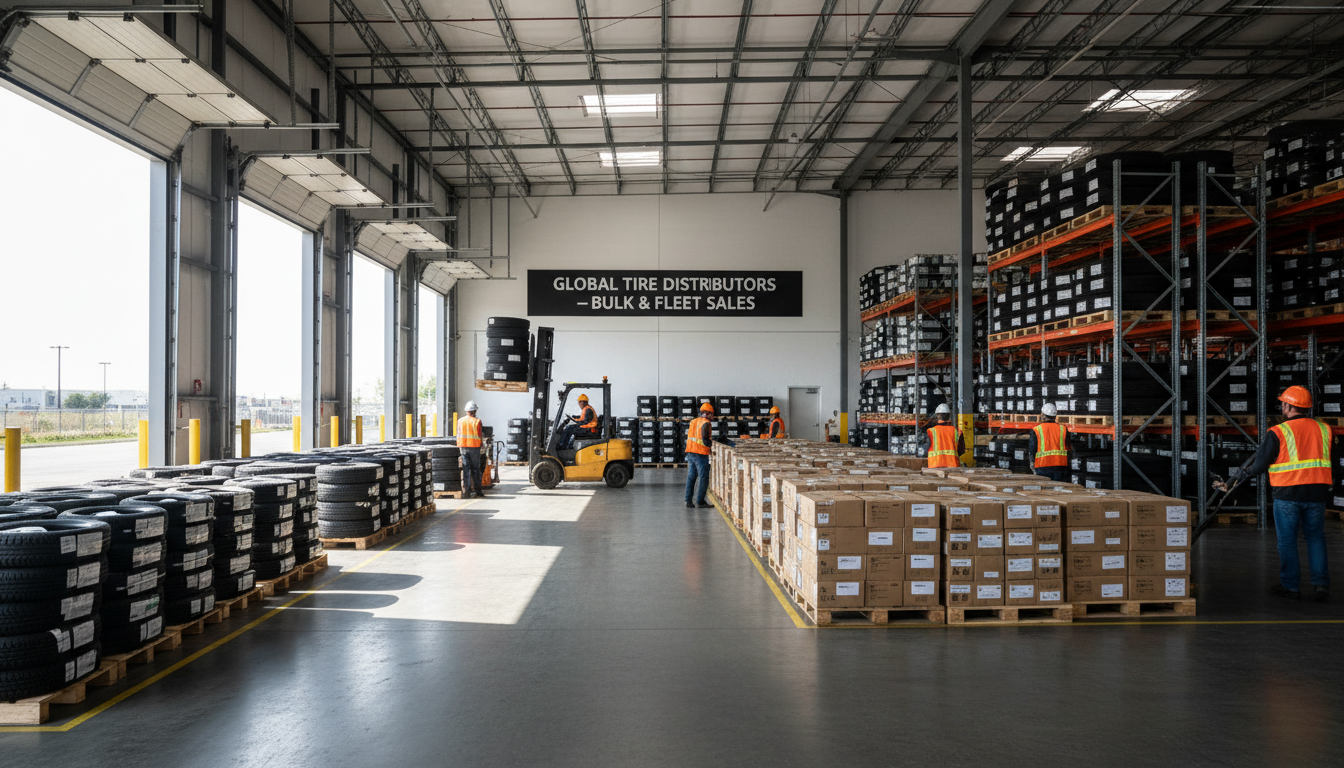
One of the primary factors influencing the wholesale tire market in the Middle East is the diverse range of vehicles in use, from passenger cars to commercial trucks. Each category has specific requirements, making it essential for distributors to offer a wide variety of tire options.
Key Players in the Market
Several major tire manufacturers have established a strong presence in the region, including Bridgestone, Michelin, and Goodyear. These companies often collaborate with local distributors to ensure their products are widely available. Building relationships with these key players can be beneficial for new entrants.
In addition to global brands, local manufacturers also play a significant role. They often provide competitive pricing and tailored solutions for regional needs, which can be an advantage in certain markets.
Trends and Innovations
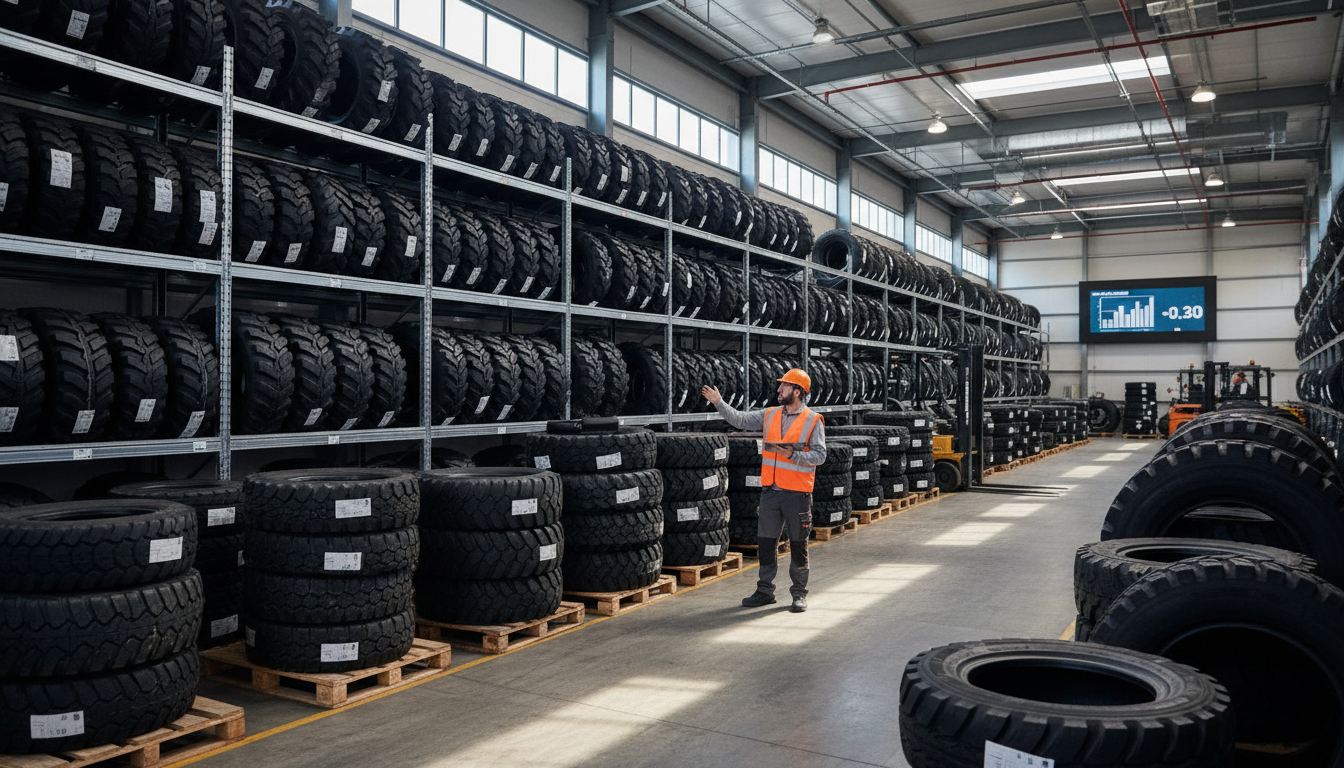
The tire industry is continuously evolving, with innovations in materials and technology driving change. Eco-friendly tires and smart tire technology are gaining traction, offering performance benefits and sustainability. Keeping up with these trends can help businesses stay competitive.
Another important trend is the shift towards online sales channels. E-commerce platforms provide a convenient option for businesses to reach a wider audience, making it an attractive avenue for wholesale tire distribution.
Logistics and Supply Chain Considerations
Efficient logistics are vital in the wholesale tire market. The Middle East's strategic location as a trade hub offers advantages, but it also presents challenges such as navigating customs regulations and managing transportation logistics.
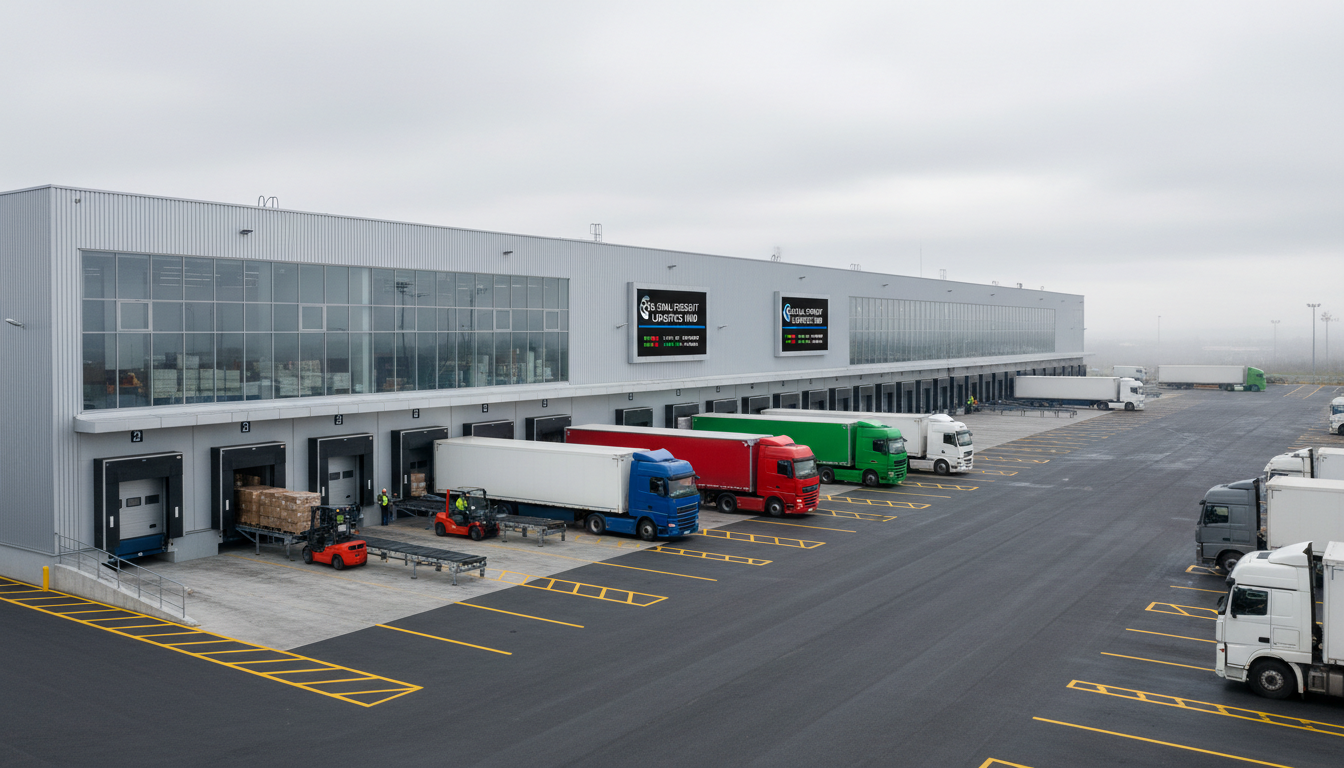
Establishing a robust supply chain is essential to ensure timely delivery and maintain customer satisfaction. Partnerships with local logistics providers can enhance distribution efficiency and reduce costs.
Regulatory Environment
Understanding the regulatory landscape is crucial for operating in the Middle East. Each country may have specific import regulations, quality standards, and environmental requirements. Compliance with these regulations is necessary to avoid legal issues and ensure smooth operations.
Staying informed about changes in trade policies and tariffs can also impact business strategies, making it important to have a proactive approach to regulatory compliance.
Building Successful Partnerships
Collaboration is key to success in the wholesale tire market. Building strong partnerships with manufacturers, distributors, and logistics providers is essential. These relationships can lead to better pricing, exclusive deals, and improved market access.
Networking within industry events and trade shows can provide valuable opportunities to establish these connections and stay informed about market developments.

Conclusion
The wholesale tire market in the Middle East presents lucrative opportunities for businesses willing to navigate its complexities. By understanding market dynamics, embracing innovation, and building strong partnerships, companies can position themselves for success in this vibrant region.
With the right strategies in place, businesses can capitalize on the growing demand for tires and contribute to the region's ongoing development and prosperity.