
Comprehensive Guide to Tire Distribution in the Middle East


Understanding the Tire Market in the Middle East
The Middle East is a region characterized by a rapidly growing automotive industry, making it a significant market for tire distribution. Countries like Saudi Arabia, the UAE, and Qatar have seen a surge in vehicle ownership, leading to increased demand for both passenger and commercial tires. To capitalize on this demand, understanding the local market dynamics is crucial for any distributor.

Key Players in Tire Distribution
The tire distribution network in the Middle East includes several major manufacturers and distributors. Companies like Michelin, Bridgestone, and Goodyear have established a strong presence. Local distributors often collaborate with these global giants to ensure a steady supply, offering a wide range of products from budget to premium tires.
Additionally, regional distributors play a pivotal role. They understand local preferences and conditions, allowing them to tailor their offerings to meet specific needs. By partnering with these distributors, manufacturers can effectively penetrate the market.
Challenges in Tire Distribution
While the market is lucrative, there are several challenges that tire distributors face in the Middle East. The region’s diverse climates, from the extreme heat of the Arabian Desert to more temperate coastal areas, necessitate a wide variety of tire options. Distributors must ensure they have products suitable for various terrains and weather conditions.
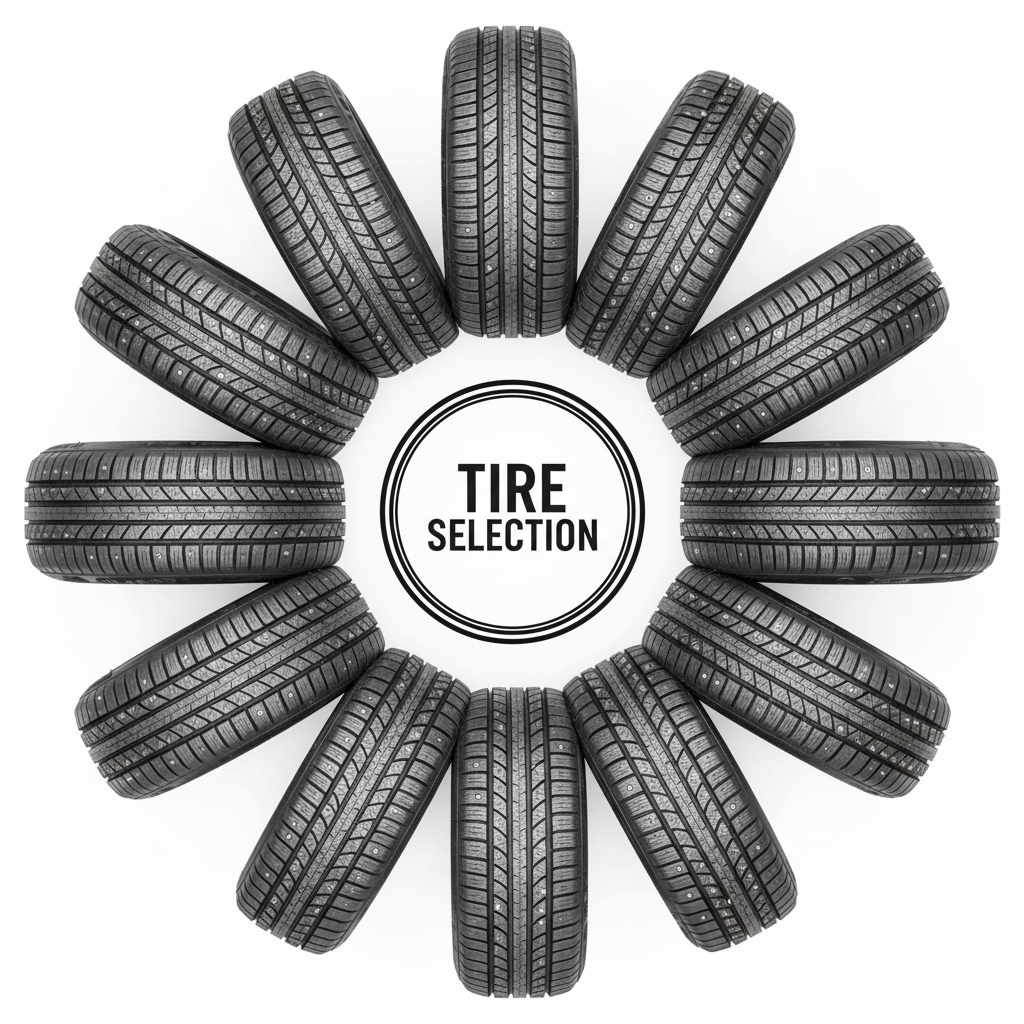
Moreover, logistics can be a significant hurdle. The Middle East's vast geography requires efficient supply chain management to ensure timely delivery. Navigating import regulations and customs procedures is also essential for smooth operations.
Strategies for Success
To thrive in the Middle East tire market, distributors should focus on building strong relationships with local retailers and service centers. Offering comprehensive after-sales support can also differentiate a distributor from competitors. This includes providing warranties, maintenance tips, and customer service.
- Investing in technology for supply chain optimization.
- Understanding local regulations and compliance requirements.
- Adapting marketing strategies to suit regional preferences.

Future Prospects and Opportunities
The future of tire distribution in the Middle East looks promising with the region's ongoing infrastructure developments and increasing urbanization. The rise of electric vehicles and a focus on sustainable practices present new opportunities for distributors to expand their product offerings.
Investing in eco-friendly and high-performance tires can cater to a growing segment of environmentally conscious consumers. Additionally, digital platforms for sales and distribution can enhance customer reach and streamline operations.
Conclusion
In conclusion, the Middle East offers a dynamic and expanding market for tire distribution. By understanding the unique challenges and leveraging the opportunities, distributors can position themselves for success. As the region continues to modernize and grow, staying ahead of market trends will be key to maintaining a competitive edge.