
Comprehensive Guide to Tire Distribution in the Middle East


The tire distribution industry in the Middle East is a dynamic and rapidly evolving sector. With a growing demand for vehicles and an expanding infrastructure, understanding the intricacies of tire distribution in this region is crucial for businesses aiming to thrive. This guide will delve into the essential aspects of tire distribution, offering insights into market trends, key players, and logistical challenges.
The Middle Eastern Tire Market Overview
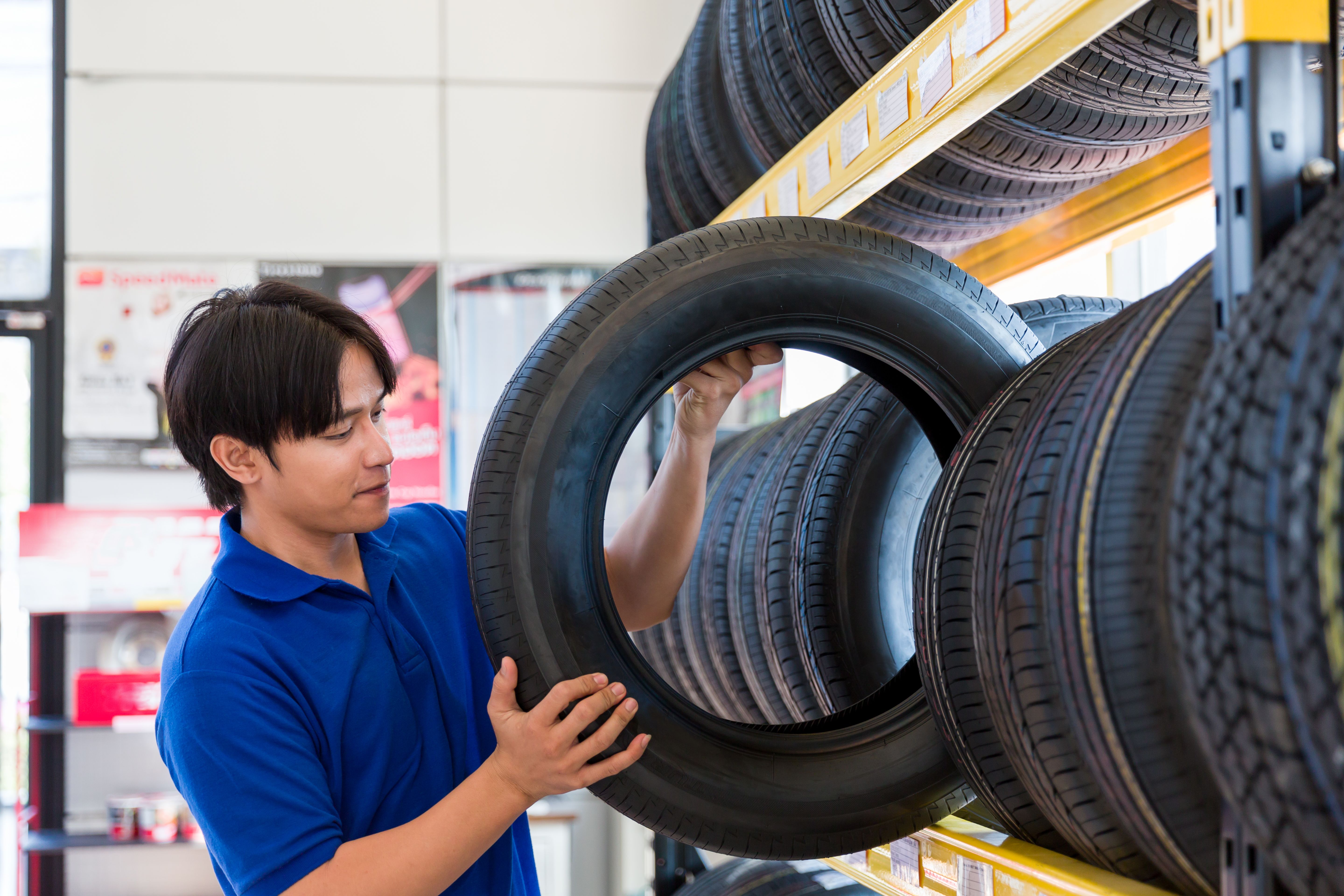
The Middle Eastern tire market is characterized by its diverse range of consumers, from everyday vehicles to heavy-duty trucks. Countries in the region, such as the United Arab Emirates, Saudi Arabia, and Qatar, are witnessing significant growth in the automotive sector, which directly influences tire demand. Urbanization and industrialization are major drivers of this growth, making the region a lucrative market for tire manufacturers and distributors.
As more international brands enter the market, local distributors face increased competition. This has led to a focus on quality and service to differentiate offerings. Understanding consumer preferences and regional requirements is vital for success.
Key Players in the Industry
Several international and local companies dominate the tire distribution landscape in the Middle East. Major global brands such as Michelin, Bridgestone, and Goodyear have established a strong presence, while local companies are also making significant strides. These players often collaborate with regional distributors to enhance their market reach and ensure efficient supply chain management.
Partnerships with local distributors enable global brands to navigate regional regulations and cultural nuances more effectively. This symbiotic relationship is crucial for both parties to maintain a competitive edge in the market.
Logistical Challenges and Solutions
Tire distribution in the Middle East comes with its own set of logistical challenges. The region's diverse geography, ranging from deserts to mountainous terrains, requires careful planning and execution of supply chains. Moreover, cross-border trade regulations and customs procedures can pose additional hurdles.
To address these challenges, distributors are increasingly investing in technology and infrastructure. Implementing advanced logistics software and establishing strategically located warehouses helps streamline operations and reduce delivery times. Additionally, building strong relationships with local authorities can ease regulatory compliance.
Trends Shaping the Future
Several trends are shaping the future of tire distribution in the Middle East. One significant trend is the growing demand for sustainable and eco-friendly tires. As environmental awareness rises, both consumers and governments are pushing for greener alternatives, prompting manufacturers to adapt.

Another trend is the rise of e-commerce in the automotive industry. Online platforms are becoming increasingly popular for purchasing tires, offering convenience and competitive pricing. Distributors need to embrace digital transformation to stay relevant and cater to the tech-savvy consumer base.
Conclusion: Navigating the Road Ahead
The tire distribution industry in the Middle East is poised for continued growth and transformation. By understanding market dynamics, leveraging technology, and fostering strategic partnerships, businesses can successfully navigate the complexities of this vibrant market. Staying informed of emerging trends and consumer preferences will be key to maintaining a competitive edge.
As the region continues to develop, opportunities abound for those willing to adapt and innovate. The road ahead may be challenging, but with the right strategies, tire distributors can drive their businesses to new heights in the Middle East.