
Comprehensive Guide to Choosing Automotive Tires for Middle Eastern Roads


Choosing the right tires for your vehicle is crucial, especially when driving on Middle Eastern roads. The region's unique climate and terrain demand tires that can withstand high temperatures and diverse surfaces. This guide will help you make an informed decision.

Understanding the Climate and Terrain
The Middle East is known for its extreme temperatures, with summer months reaching scorching highs. Additionally, the terrain varies from smooth highways to rough desert tracks. These conditions require tires that offer durability, heat resistance, and versatility.
Temperature Considerations
High temperatures can affect tire pressure and wear. It's essential to choose tires designed to handle heat without compromising performance. Look for tires with a high-temperature rating to ensure safety and longevity.
Tire Types Suitable for Middle Eastern Roads
There are several types of tires to consider. Each type offers different benefits, and understanding them will help you select the best option for your needs.
All-Season Tires
All-season tires are a popular choice due to their versatility. They perform well in both hot and mild conditions, making them ideal for regions with varied climates. However, they may not be the best option for extreme desert driving.
Performance Tires
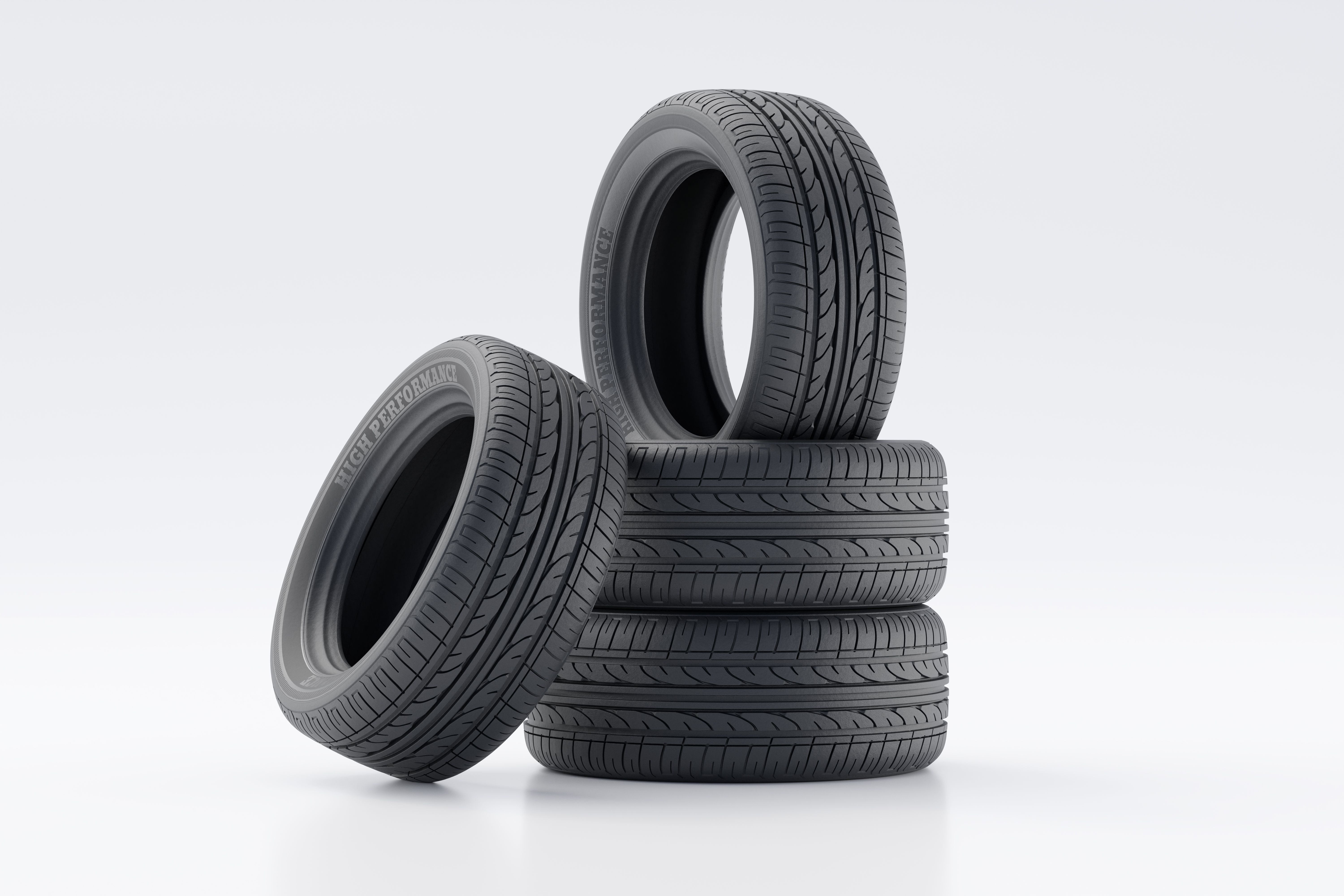
For drivers who prioritize speed and handling, performance tires offer enhanced traction and responsiveness. These are suitable for well-maintained urban roads but may wear quickly under harsh conditions.

Key Features to Look For
When selecting tires, consider features such as tread pattern, durability, and noise reduction. A good tread pattern will provide better grip on sandy or wet surfaces, while durable materials ensure the tire lasts longer in tough conditions.
Tread Pattern
The tread pattern is crucial for maintaining traction. Opt for tires with deeper treads if you frequently drive off-road or encounter sandy areas. This will help prevent slippage and improve safety.
Durability and Longevity
Durability is particularly important in the Middle East, where road conditions can be challenging. Choose tires made from robust materials that can withstand frequent use and high temperatures without rapid degradation.
Conclusion
Choosing the right tires for Middle Eastern roads involves understanding the local climate, terrain, and your driving needs. By focusing on temperature resistance, tire type, and key features like tread pattern and durability, you can ensure a safer and more comfortable driving experience. Remember, investing in quality tires not only enhances performance but also contributes significantly to your vehicle's safety.