
Comprehensive Guide to Africa Tire Wholesalers: What You Need to Know


Understanding the African Tire Market
The African tire market is a dynamic and rapidly evolving sector, driven by increasing vehicle ownership and economic growth across the continent. As a result, tire wholesalers play a crucial role in meeting the demand for quality tires. Understanding the market dynamics is essential for anyone looking to engage with African tire wholesalers.
Wholesalers in Africa offer a wide variety of tire brands, catering to different vehicle types and consumer preferences. This diversity is critical for accommodating the needs of both urban and rural populations. Moreover, wholesalers often provide competitive pricing due to bulk purchasing, making them an attractive option for retailers.

Key Players in the African Tire Wholesale Industry
The tire wholesale industry in Africa is populated by several key players, each contributing to the sector's growth. Some of the leading companies include both local and international brands that have established a strong presence in the market. These companies often provide a range of services, such as distribution, marketing support, and after-sales service.
Partnerships with global tire manufacturers enable these wholesalers to offer premium products to African consumers. Additionally, many wholesalers have expanded their operations to multiple countries within Africa, enhancing their distribution networks and market reach.
Challenges Facing Tire Wholesalers
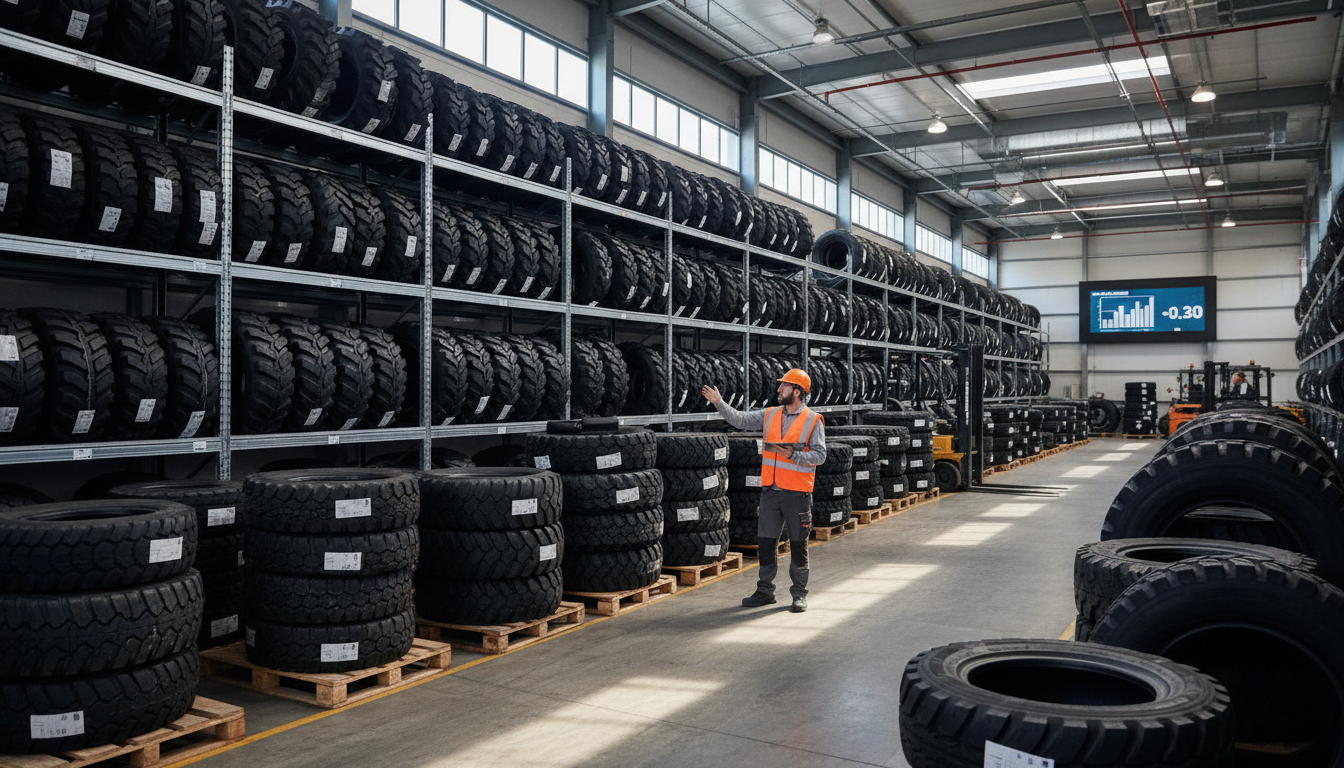
Despite the opportunities, tire wholesalers in Africa face several challenges. Logistics and infrastructure issues, such as poor road conditions and limited transportation options, can hinder efficient distribution. Furthermore, the prevalence of counterfeit products in the market poses a significant threat to wholesalers, affecting their reputation and customer trust.
To overcome these challenges, wholesalers are investing in technology and infrastructure improvements. Implementing advanced inventory management systems and enhancing supply chain efficiency are some of the strategies being employed to address these issues.

The Role of Technology in the Tire Wholesale Industry
Technology is playing an increasingly important role in transforming the tire wholesale industry in Africa. From digital marketing to e-commerce platforms, innovation is enabling wholesalers to reach a broader audience and streamline operations. Online platforms allow customers to browse products, compare prices, and place orders with ease.
Moreover, data analytics tools help wholesalers better understand market trends and consumer behavior, enabling them to make informed decisions. These technological advancements are crucial for maintaining a competitive edge in the rapidly changing market landscape.
Sustainability and Environmental Considerations
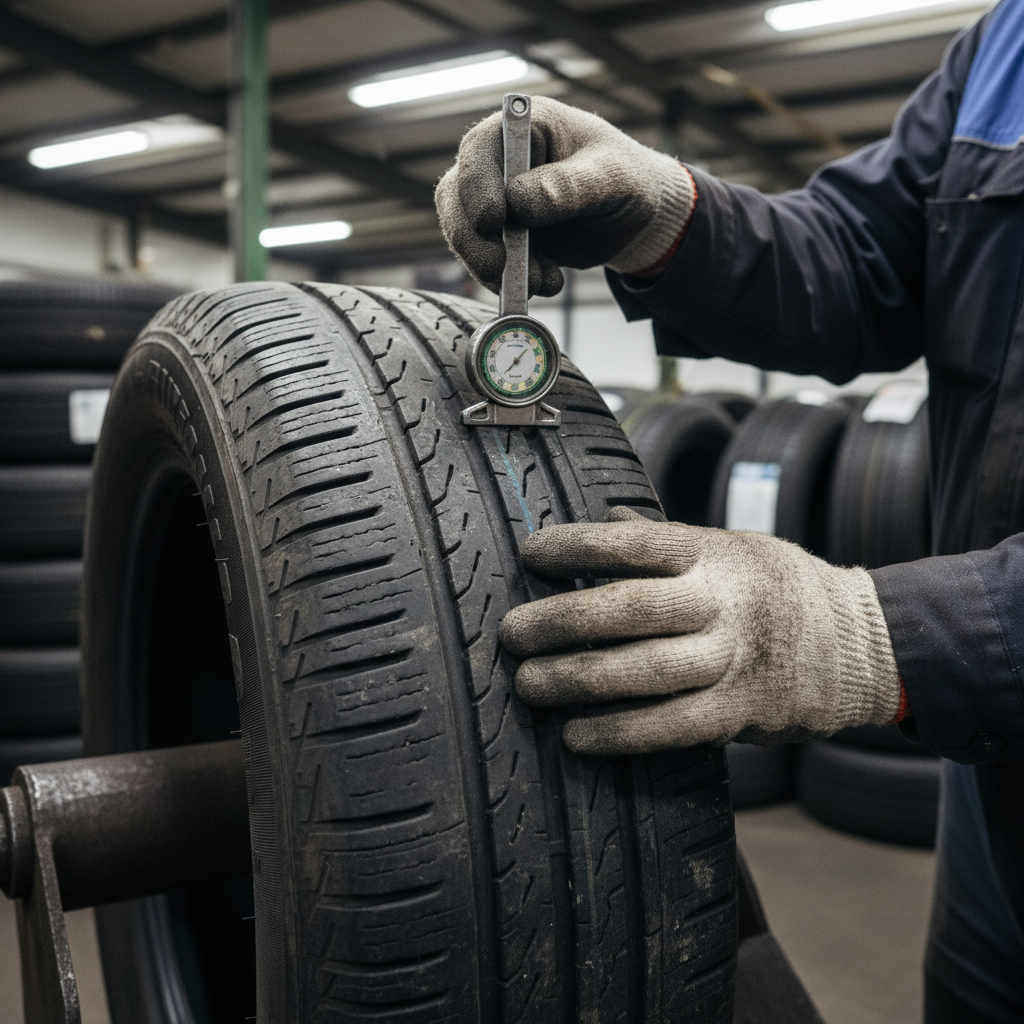
As environmental concerns become more prominent, tire wholesalers in Africa are increasingly focusing on sustainability. The adoption of eco-friendly practices, such as recycling and proper disposal of used tires, is gaining traction. Wholesalers are collaborating with manufacturers to develop tires that are more durable and environmentally friendly.
Additionally, promoting awareness among consumers about the benefits of sustainable tire usage is part of the wholesalers' efforts to contribute to a greener future. These initiatives not only enhance the industry's reputation but also align with global sustainability goals.

Future Trends in the African Tire Wholesale Market
The future of the African tire wholesale market looks promising, with several trends shaping its trajectory. The increasing adoption of electric vehicles and the growing demand for high-performance tires are expected to drive innovation and product diversification. Additionally, regional trade agreements and economic partnerships are likely to facilitate cross-border trade and market expansion.
Wholesalers that prioritize adaptability and innovation will be well-positioned to capitalize on these emerging opportunities. By staying informed about market trends and consumer preferences, they can continue to thrive in the competitive landscape.