
Common Misconceptions About Tyre Distribution in the Middle East


Understanding Tyre Distribution in the Middle East
Tyre distribution in the Middle East is often subject to various misconceptions. These misunderstandings can affect both consumers and businesses, leading to misinformed decisions and missed opportunities. In this post, we will explore some of the most common myths and clarify the realities of the tyre distribution landscape in this dynamic region.
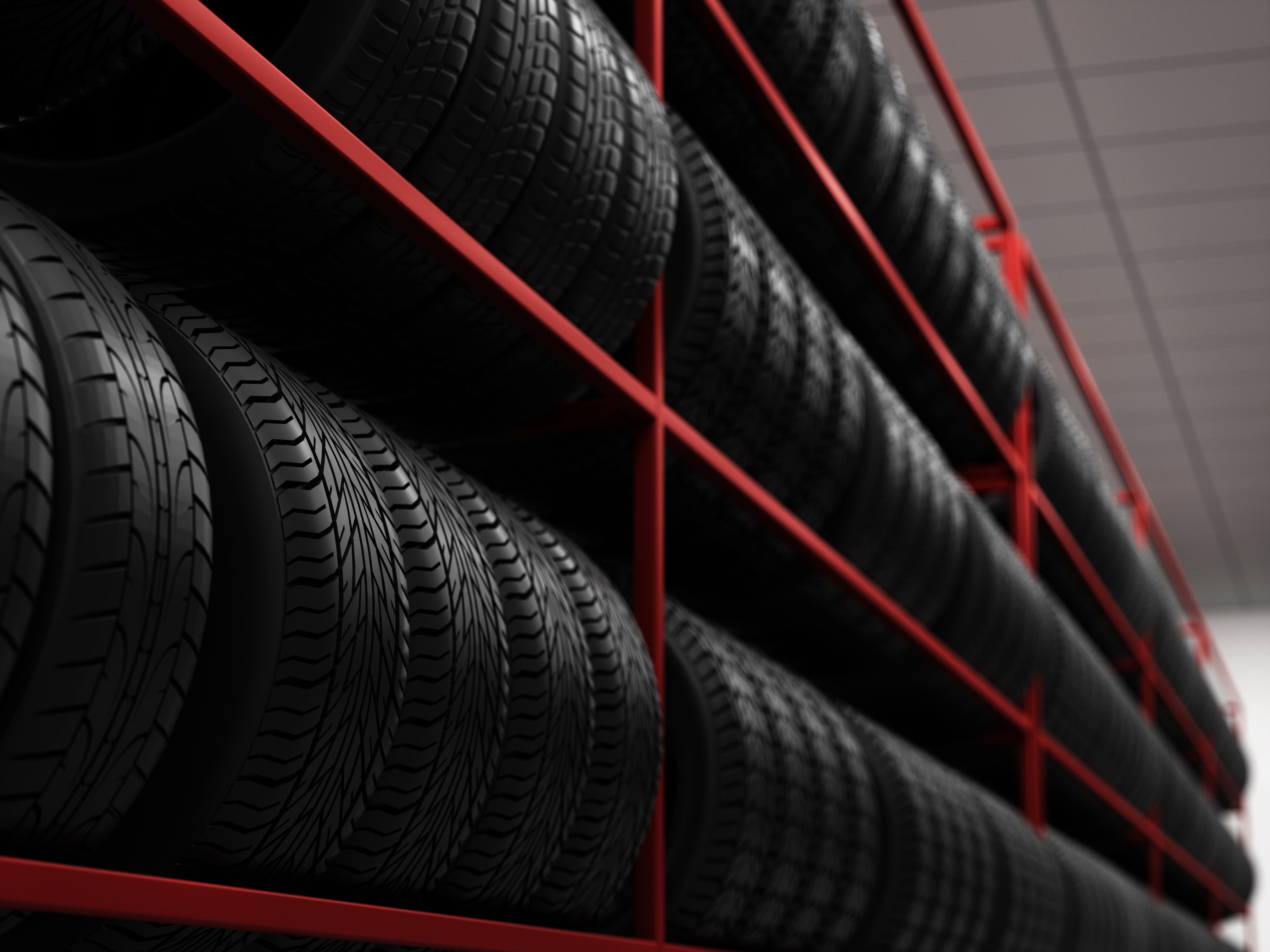
Myth 1: All Tyres in the Middle East Are Imported
One widespread misconception is that all tyres in the Middle East are imported. While it's true that the region imports a significant number of tyres, there is also a robust local production industry. Countries like the United Arab Emirates and Saudi Arabia have established manufacturing plants that produce high-quality tyres for both domestic use and export.
The presence of local manufacturers helps in reducing dependency on imports and supports the regional economy. Furthermore, local production allows for the customization of tyres to meet specific environmental and road conditions prevalent in the Middle East.

Myth 2: Tyre Distribution Is Uniform Across the Region
Another common misconception is that tyre distribution practices are the same throughout the Middle East. In reality, distribution strategies can vary widely from one country to another. Factors such as local regulations, market demand, and logistical challenges all play a role in shaping distribution networks.
For instance, the distribution model in a country with a vast desert landscape may differ significantly from that in a more urbanized area. Understanding these nuances is crucial for businesses aiming to enter or expand within the Middle Eastern market.
Myth 3: Price Is the Sole Deciding Factor
Many believe that price is the only consideration when it comes to tyre distribution in the Middle East. While cost is undoubtedly important, other factors like brand reputation, quality, and service availability also heavily influence buying decisions.
Consumers in the region are becoming increasingly aware of the long-term benefits of investing in quality tyres. As a result, distributors must focus on offering comprehensive value propositions that go beyond mere pricing.
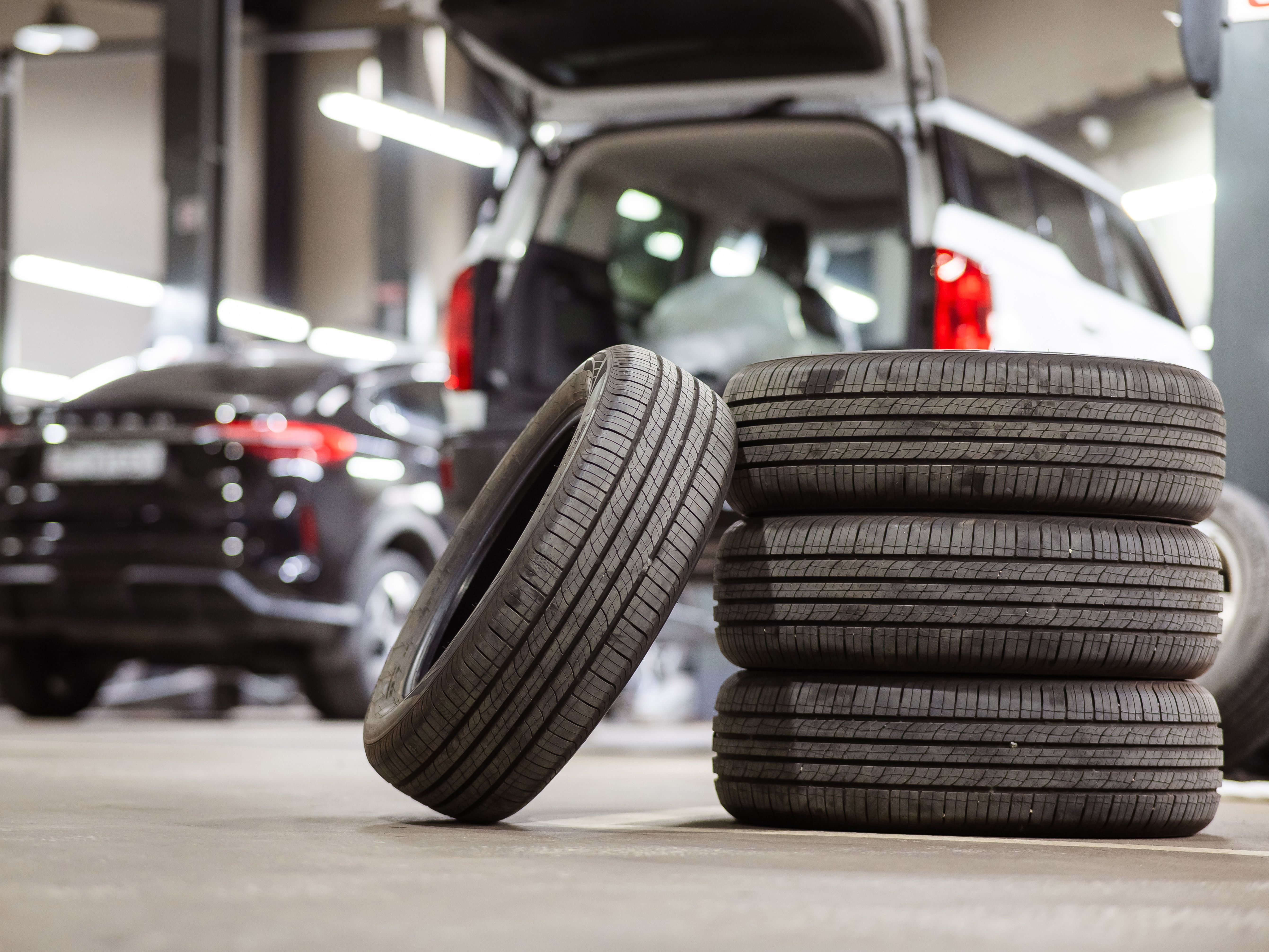
Myth 4: The Market Is Saturated
Some people think that the Middle Eastern tyre market is saturated and offers little room for growth. However, this is far from the truth. The region's rapid urbanization, coupled with an increasing number of vehicles on the road, continues to drive demand for tyres.
Innovations in tyre technology and a growing focus on sustainability are also opening up new avenues for growth. Businesses that can adapt to these trends and offer innovative solutions will find ample opportunities in this evolving market.
Conclusion
Understanding the realities of tyre distribution in the Middle East is essential for making informed decisions. By dispelling these common misconceptions, businesses and consumers alike can better navigate the complexities of this vibrant market. Whether it's appreciating the local production capabilities or recognizing the diverse distribution practices, having accurate information is key to success.