
Common Misconceptions About Tire Distribution in the Middle East


The tire distribution industry in the Middle East is often subject to numerous misconceptions. These myths can lead to misunderstandings about the market dynamics, pricing, and quality standards. By debunking these misconceptions, businesses and consumers can make more informed decisions.
Misconception 1: All Tires Are the Same
A common belief is that all tires, regardless of brand or origin, are essentially the same. This is far from the truth. Tires vary significantly in terms of construction, materials, and design. Each type is engineered for specific conditions and uses. Understanding these differences is crucial for selecting the right tires for your needs.

Different Types for Different Needs
There are tires designed specifically for desert terrains, urban roads, and high-performance vehicles. Choosing the right type can impact safety, fuel efficiency, and vehicle performance. Consumers should consult with experts to ensure they select the appropriate tires for their driving conditions.
Misconception 2: Tire Distribution Is Uniform Across the Region
Another misconception is that tire distribution is uniform throughout the Middle East. In reality, the distribution network is complex and varies by country. Factors such as import regulations, local demand, and infrastructure play significant roles in shaping the distribution landscape.
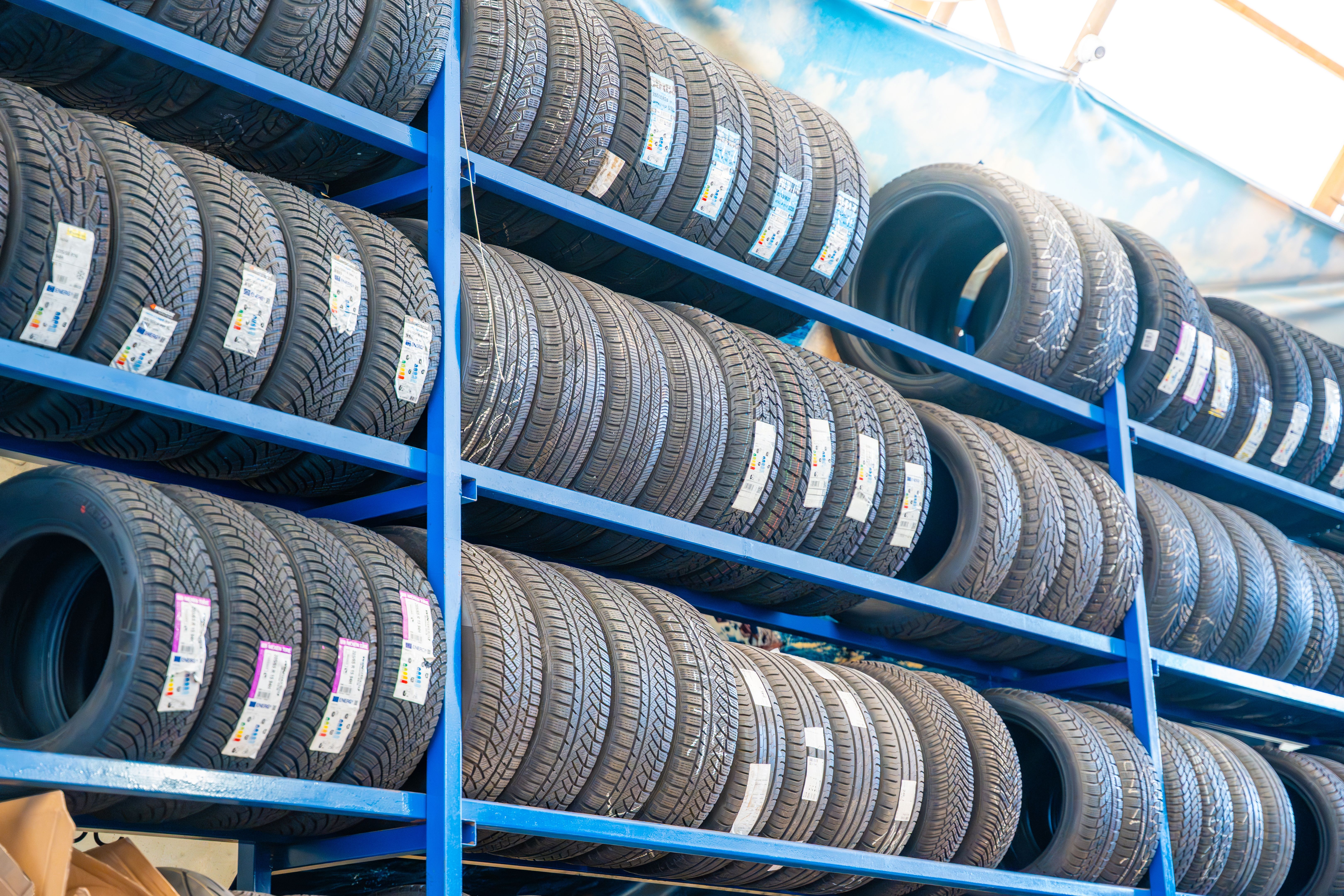
Regional Differences
For instance, countries with advanced infrastructure and high vehicle density may have a more robust distribution network. In contrast, regions with challenging terrains might focus on specific tire types. Understanding these differences is essential for businesses looking to enter the market.
Misconception 3: Price Equals Quality
Many people believe that the most expensive tires are always the best. While price can be an indicator of quality, it is not the only factor. Factors such as brand reputation, technology, and manufacturing processes also influence tire quality.

Balancing Cost and Quality
Consumers should consider their specific needs and research different brands and models. Sometimes, mid-range options offer the best balance of performance and cost-effectiveness. It's important to evaluate all factors rather than relying solely on price as an indicator of quality.
Misconception 4: Local Brands Are Inferior
There is often a bias against local tire brands, with many assuming they are inferior to international ones. However, many regional manufacturers produce high-quality tires that meet international standards. These companies often have a deep understanding of local conditions and develop products tailored to them.
The Rise of Regional Brands
Local brands are increasingly investing in research and development to compete with global players. This focus on innovation ensures that they offer competitive products that meet the demands of consumers in the Middle East.
In conclusion, understanding these common misconceptions can empower consumers and businesses to make better choices in the tire distribution market in the Middle East. By recognizing the nuances of tire types, distribution networks, pricing, and brand reputation, stakeholders can navigate this dynamic market more effectively.