Case Study: Successful Tire Distribution Strategies in the Middle East


In the dynamic landscape of the Middle Eastern tire distribution market, companies have developed innovative strategies to meet the unique demands of the region. This case study explores some of the successful approaches that have enabled tire distributors to thrive in this competitive environment.
Understanding the Market Dynamics
The Middle East presents a unique set of challenges and opportunities for tire distributors. With vast deserts, fluctuating oil prices, and diverse consumer needs, understanding the market dynamics is crucial. Distributors must adapt to the varied terrains and climates, ensuring that their products meet the specific requirements of each region.
Moreover, the rise of digital platforms has reshaped consumer expectations. Distributors are increasingly leveraging technology to enhance customer engagement and streamline operations.
Building Robust Supply Chains
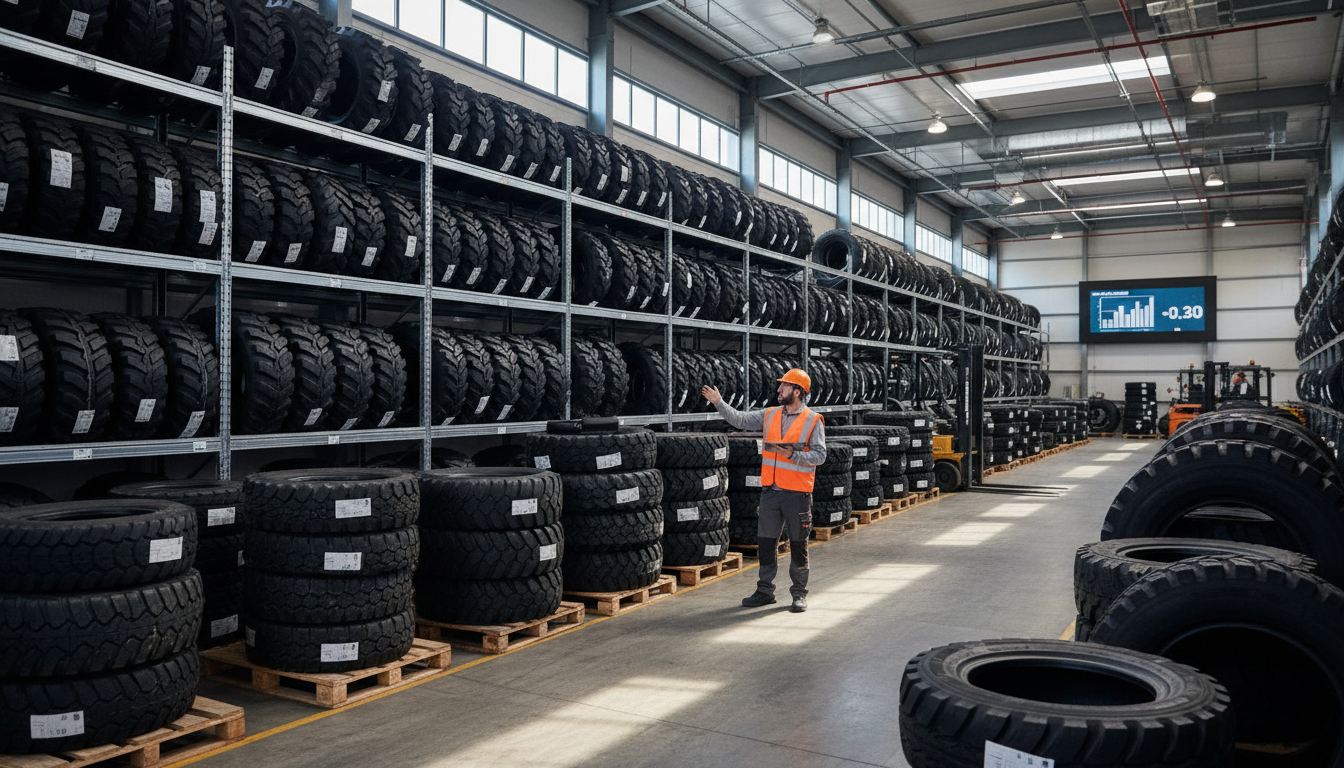
A key factor in successful tire distribution is the development of a robust supply chain. Distributors have focused on creating efficient networks that reduce lead times and optimize inventory management. Collaborating with local partners and logistics providers has been instrumental in achieving these goals.
Furthermore, the use of advanced analytics and forecasting tools allows distributors to anticipate market trends and adjust their strategies accordingly. This proactive approach ensures that they can meet demand without overstocking, reducing costs and improving customer satisfaction.

Embracing Digital Transformation
Digital transformation is at the forefront of successful tire distribution strategies. By implementing e-commerce platforms, distributors have expanded their reach and enhanced the buying experience for consumers. These platforms offer personalized recommendations, seamless payment options, and efficient delivery services.
In addition to e-commerce, distributors are utilizing data analytics to gain insights into consumer behavior. This data-driven approach enables them to tailor their offerings and marketing strategies to better align with consumer preferences.

Fostering Customer Relationships
Building strong relationships with customers is a cornerstone of success in the tire distribution industry. Distributors are investing in customer service initiatives that focus on personalized support and after-sales services. By understanding the unique needs of their clients, they can offer customized solutions that foster loyalty and trust.
Moreover, engaging with customers through social media and other digital channels allows distributors to gather feedback and strengthen their brand presence in the market.
Conclusion
The tire distribution strategies in the Middle East exemplify how companies can innovate and adapt to meet the unique challenges of the region. By focusing on supply chain efficiency, embracing digital transformation, and fostering strong customer relationships, distributors have positioned themselves for success in this dynamic market.
As the industry continues to evolve, these strategies will likely serve as a blueprint for other regions looking to enhance their distribution networks and customer engagement.