Case Study: Successful Tire Distribution Strategies in the Middle East


Introduction to Tire Distribution in the Middle East
The Middle East presents a unique landscape for tire distribution, characterized by diverse consumer preferences, climatic conditions, and economic factors. Companies aiming for success in this region must navigate these complexities with strategic precision. This case study explores the key strategies that have led to successful tire distribution in the Middle East.
Understanding the Market Dynamics
To effectively distribute tires in the Middle East, it's crucial to understand the market dynamics. The region consists of both high-income countries with advanced infrastructure and developing markets with growing automotive needs. The demand for tires varies significantly, influenced by factors such as road conditions, climate, and vehicle types.
Successful companies often conduct comprehensive market research to identify consumer preferences and demand patterns. This helps in tailoring their product offerings to meet the specific needs of each country within the region.
Strategic Partnerships and Alliances
Forming strategic partnerships with local distributors and retailers is a vital strategy for entering the Middle Eastern market. These alliances provide valuable insights into local business practices and consumer behavior, facilitating smoother market entry and expansion.

Collaborating with regional logistics providers also enhances supply chain efficiency. This ensures timely delivery of products, which is critical in maintaining customer satisfaction and loyalty.
Adapting to Climate and Road Conditions
The Middle East is known for its harsh climatic conditions, ranging from extreme heat to occasional sandstorms. Tires distributed in this region must be designed to withstand these environmental challenges. Companies often invest in R&D to develop tires that offer durability and performance under such conditions.
Additionally, understanding the road infrastructure—whether urban or off-road—is essential. Distributors that offer a range of products catering to different terrains gain a competitive edge.

Leveraging Digital Platforms
In an increasingly digital world, leveraging online platforms for marketing and sales is becoming indispensable. Companies that utilize e-commerce and digital marketing effectively can reach a wider audience and enhance customer engagement.
Investing in a robust online presence, including user-friendly websites and active social media profiles, helps in building brand recognition and driving sales.
Logistics and Supply Chain Efficiency
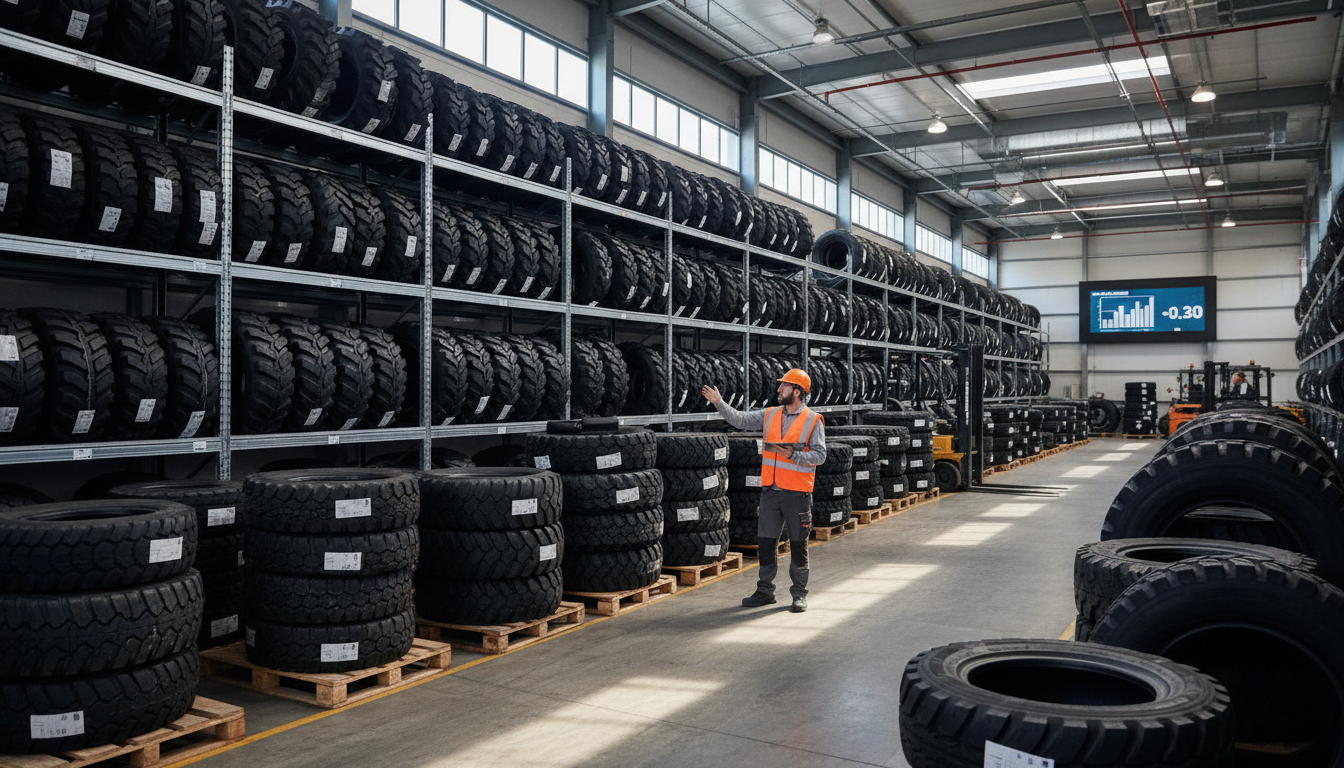
Efficient logistics and supply chain management are crucial for successful tire distribution in the Middle East. Companies that optimize their distribution networks and reduce lead times are better positioned to meet market demands.
- Implementing advanced inventory management systems
- Utilizing data analytics for demand forecasting
- Strengthening warehousing capabilities
These practices contribute significantly to operational efficiency and customer satisfaction.
Conclusion: Keys to Success
In conclusion, successful tire distribution in the Middle East hinges on understanding market dynamics, forming strategic alliances, adapting products to local conditions, leveraging digital tools, and optimizing logistics. Companies that effectively implement these strategies are well-equipped to thrive in this complex yet rewarding market.